You probably don't need primer
It is the most-bought step in makeup and the one I most often remove from people's routines. Here is when it earns its place — and when it is just an extra layer.
 Danny Rose
Makeup artist · New York
Danny Rose
Makeup artist · New York
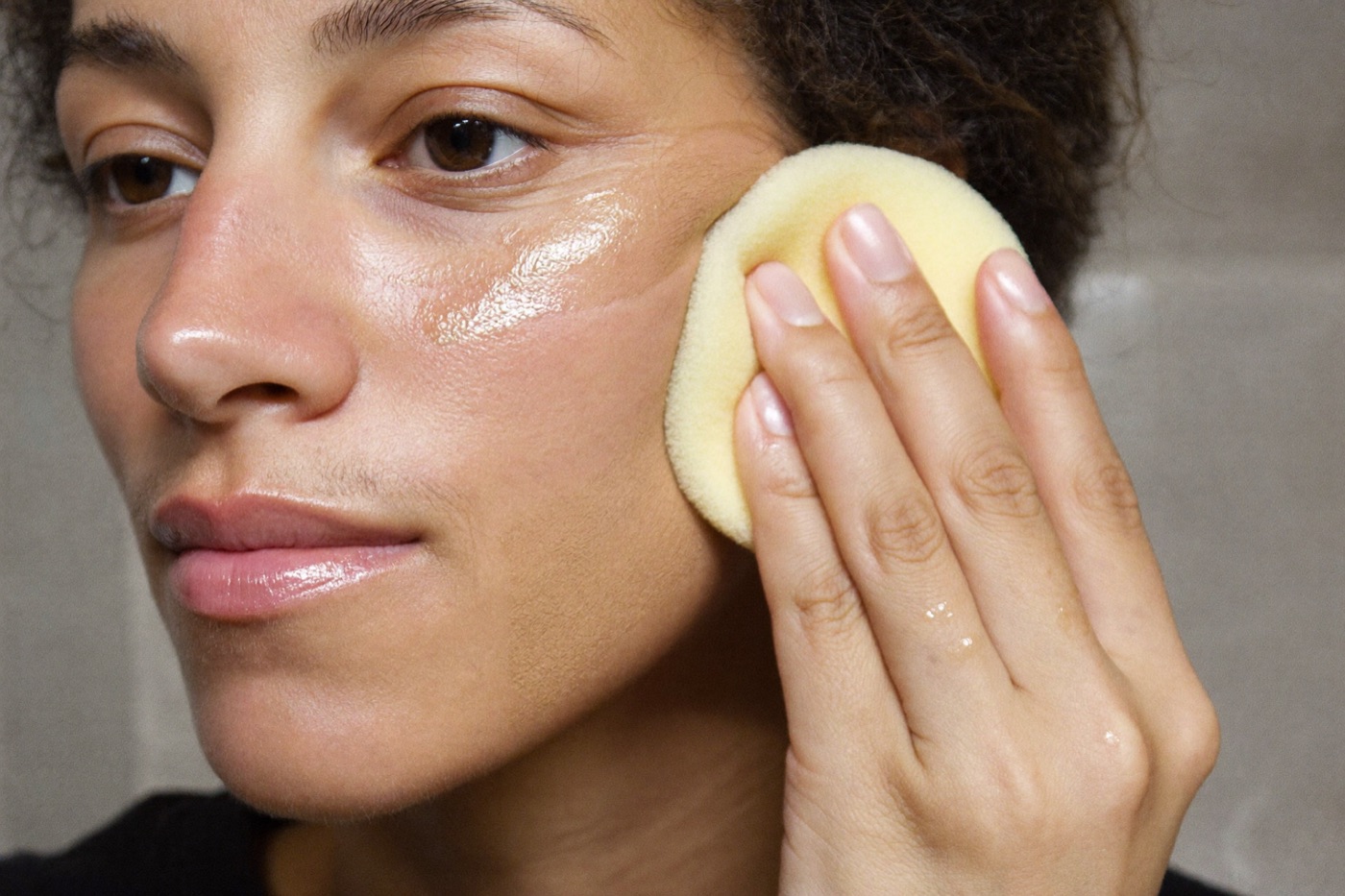
Every lesson starts the same way. I ask people to lay out everything they use, and I count how many products are in the pile. The average is eleven. When I ask which one they would be least willing to give up, primer never comes up. When I ask which one they are least sure about, it is nearly always primer.
That gap is the whole subject of this post.
Where the habit came from
Primer arrived properly in the mid-2000s, at a point when foundations were heavier, powder was mandatory and everyone was terrified of shine. It solved a real problem for a real formula.
Foundations then improved enormously. Primer did not go anywhere — it just became a step people assumed was part of the sequence, in the way that conditioner is part of washing your hair. Beauty counters had every reason not to correct that assumption, and nobody was going to write "you can skip this" on the box.
So most people are performing a step whose original job has quietly been done by something else.
What primer can genuinely do
I am not saying it never works. I carry three in my kit and I use them, deliberately, for specific jobs.
Grip, on skin that eats foundation. Some skin, particularly dry or very textured skin, will absorb a foundation unevenly and leave you patchy by mid-morning. A thin gripping primer gives the foundation something consistent to sit on. This is real and it is noticeable.
Oil control, in a defined zone. A mattifying primer across the T-zone on someone who is genuinely oily buys a few hours. Across the whole face, it makes the dry areas look worse, so it is a zone product, not a face product.
Blurring, on visible texture. Silicone-heavy blurring primers do soften the appearance of large pores and fine lines, temporarily and locally. Around the nose and the centre of the cheeks, a pea-sized amount is a genuine improvement.
Color correcting, occasionally. A green-tinted primer on persistent redness works, though I usually get there faster with a color-correcting concealer on the specific patches rather than a green film over the whole face.
Notice that every one of those is a targeted use on a specific area. That is the difference between a primer that earns its place and a primer that is just an extra layer between your skin and your foundation.
When it makes things worse
When it is doing your moisturiser's job. A great many "hydrating primers" are moisturiser with a nicer bottle and a higher price. If you have already moisturised, you have applied a hydrating layer, and then applied another one. That is often the actual reason a foundation slides.
When the two products do not get on. This is the one nobody warns you about. A silicone-based primer under a water-based foundation is the classic cause of pilling — those little rolls of product that come up under your fingers. It is not that either product is bad. They simply are not speaking the same language.
When it is fixing the previous step. Foundation looking patchy and reaching for a grip primer is treating a symptom. Nine times out of ten the actual fix is less foundation, applied to skin that was allowed to settle for two minutes first.
The test, which takes you two days
Do not take my word for it. This costs nothing.
- Day one: your full normal routine, primer included. Take a photograph by a window in the morning, and another one at six in the evening.
- Day two: identical, minus the primer. Same foundation, same amount, same tools, same weather if you can manage it. Same two photographs.
- Compare the evening pictures, not the morning ones. Primer's promises are almost all about hour eight, so hour one tells you nothing.
Most people find no difference at all. Some find one zone where it clearly helped — usually the nose, sometimes the forehead — which tells you to use it there and nowhere else. A few find their foundation genuinely fell apart without it, and those people should keep buying it happily.
Any of those three results is a good outcome. You now know something about your own face instead of following a step because a video said so.
What I would spend the money on instead
If a primer came out of your routine and there is now a gap in the budget: a better foundation brush or a decent sponge changes the finish far more than a primer ever will. So does taking two minutes between skincare and makeup, which costs nothing.
And if your skin is genuinely difficult in a way that no product seems to fix, that is worth a proper conversation rather than another bottle. I am a makeup artist — I can make things look a certain way for a day. I am not the person to sort out what is going on underneath.
That is usually the most useful thing I say in a lesson, and it is the reason the pile of eleven products tends to become a pile of seven.
Or let me do it
Reading about it is
slower than a lesson.
Two hours at your table, with your own products, and you hold the brush. $350 — and you keep the notes.
Keep reading
More from the journal
Ghost lashes: skip mascara and still look awake
Ghost lashes are 2026's mascara-free trend: bare, curled, barely-there lashes. How to make it work, and what to do if your lashes are short or sparse.

What do Koreans use under their eyes? Hydration
Mostly hydration, not coverage: a cold hydrogel patch, a watery layer and far less concealer. What I buy on 32nd Street and what stays in my kit.
Most brows only need brushing
Before you fill anything, brush your brows up and set them. For most of the faces I see, that is the whole job, and it takes thirty seconds.