What actually happens in a bridal trial, minute by minute
Ninety minutes in somebody's living room, and almost none of it is the part people expect. Here is the whole thing, including what I write down.
 Danny Rose
Makeup artist · New York
Danny Rose
Makeup artist · New York
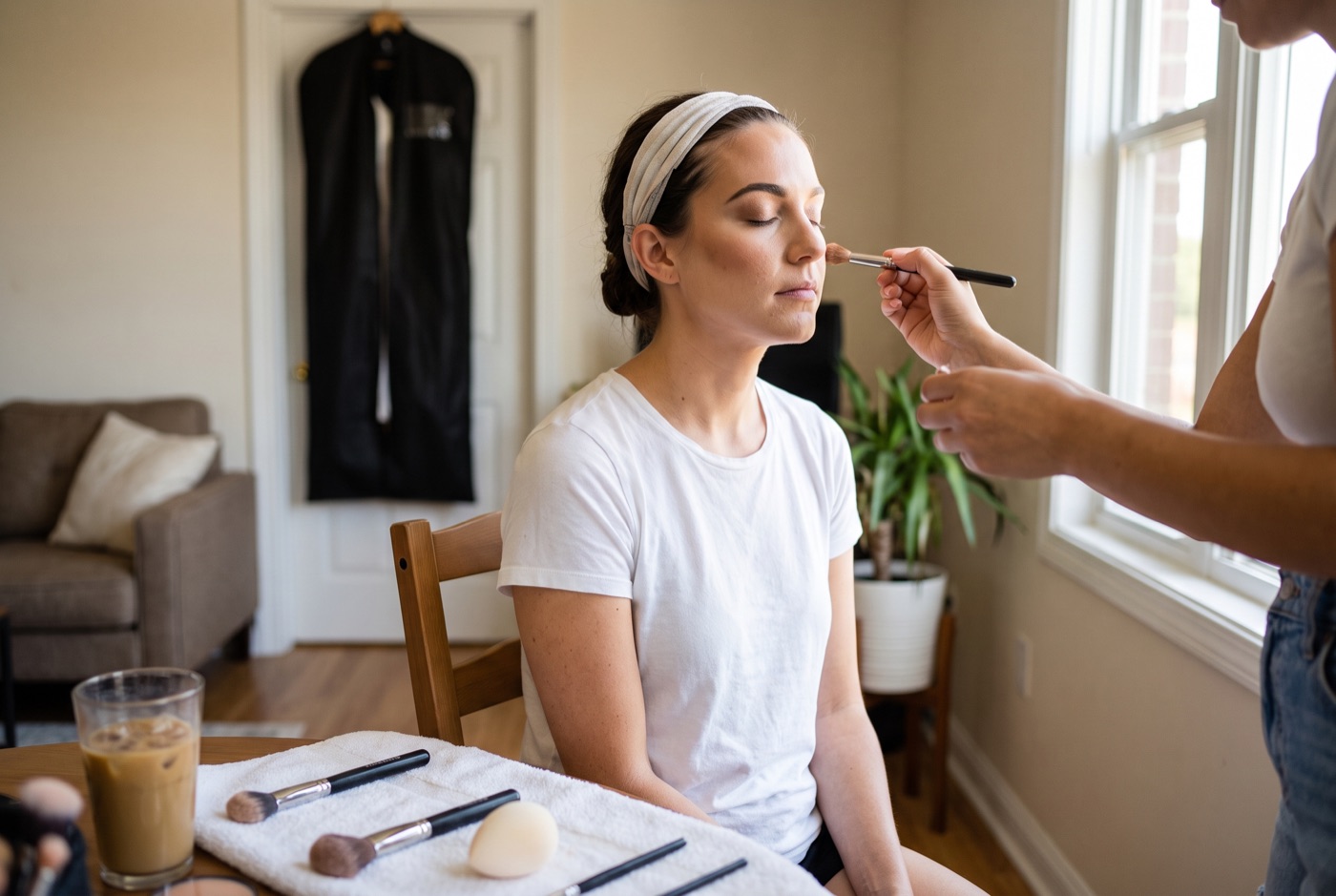
Somebody messaged me last month asking whether she could skip the trial — she had seen my work, she trusted me, and she was trying to save a Saturday.
I said no, and not for the reason she assumed. The trial is not there so I can prove I can do makeup. It is there so that on the wedding morning I am not making a single decision. Every one has already been made, written down and tested on her actual face in her actual light.
Here is what the ninety minutes really go on. Very little of it is glamorous.
Before I open a single product — about twenty minutes
I do not touch her face for the first stretch, and that is the part brides find most surprising.
We sit down and I ask about the day in a specific order: what time, where, indoors or out, how hot, how long, how much of it is photographed, and whether anyone is going to cry. That last one is not a joke — it changes the mascara and whether I set the under-eye at all.
An August rooftop at four in the afternoon and a January church at eleven are two different jobs with two different bases, and the dress has nothing to do with either.
Then I ask what she does not want, which is more useful every time. "Not heavy", "I want to look like me" — those mean different things to different people and I need her version. When someone says "natural" I ask for a photo of herself she likes. That answers it faster than twenty minutes of talking.
Last, the practical part: what is on her skin now, anything new starting before the wedding, anything she reacts to, and whether she is getting a spray tan and when. The tan question matters enormously and nobody volunteers it.
Skin prep — about fifteen minutes, and it is not decoration
I clean the face and start from bare skin, because trialling makeup over whatever went on that morning tells us nothing.
Then I prep for the day's conditions, not the trial's. Hot outdoor wedding: lighter and grippier. Cold church, dry room, eight hours: richer, and I let it sink in properly while we keep talking.
That waiting time is the point, not dead air. Base applied over skincare that has not settled will move, and it moves around hour three — exactly when the photographer is doing the group shots.
The base — the longest single stretch
This is where the mixing happens, and where most of the trial's value sits. I build her shade in front of her, on the jaw, in window light, and write the ratio down.
If there is any doubt I do a second version on one side of the face, slightly different in coverage or finish, so she can choose with her own eyes rather than from a description.
Then two photos, both by the window: one with flash, one without. Flash is the honest one, and it is what half her wedding photos will be shot with. A base that looks beautiful in the room and ghostly under a flash is a problem we find here, on a Tuesday, rather than in a group shot with sixty people in it.
Eyes, cheeks, lips — and the part where I slow her down
Eyes go quicker than people expect, because by now we have agreed on the register. Lips take longer — usually two or three, looked at in daylight, on camera, and after a drink of water.
Somewhere around here comes the moment I watch for: she looks in the mirror and says some version of "could we go a bit stronger?"
Almost always the honest answer is not today. A trial happens in flat afternoon daylight with nobody else in the room. The wedding happens with hair done, dress on, adrenaline up and photographers using light designed to flatten. The look that feels slightly too soft in a living room is very often right on the day — so we agree on the one thing we could dial up on the morning, I note it, and we leave it there.
A trial is not a dress rehearsal for the mirror. It is a rehearsal for the photographs and the eleventh hour.
What is actually on the towel
Brides expect a case the size of a suitcase. The trial runs on a handful of things I know inside out — and knowing them is more of the job than owning them.
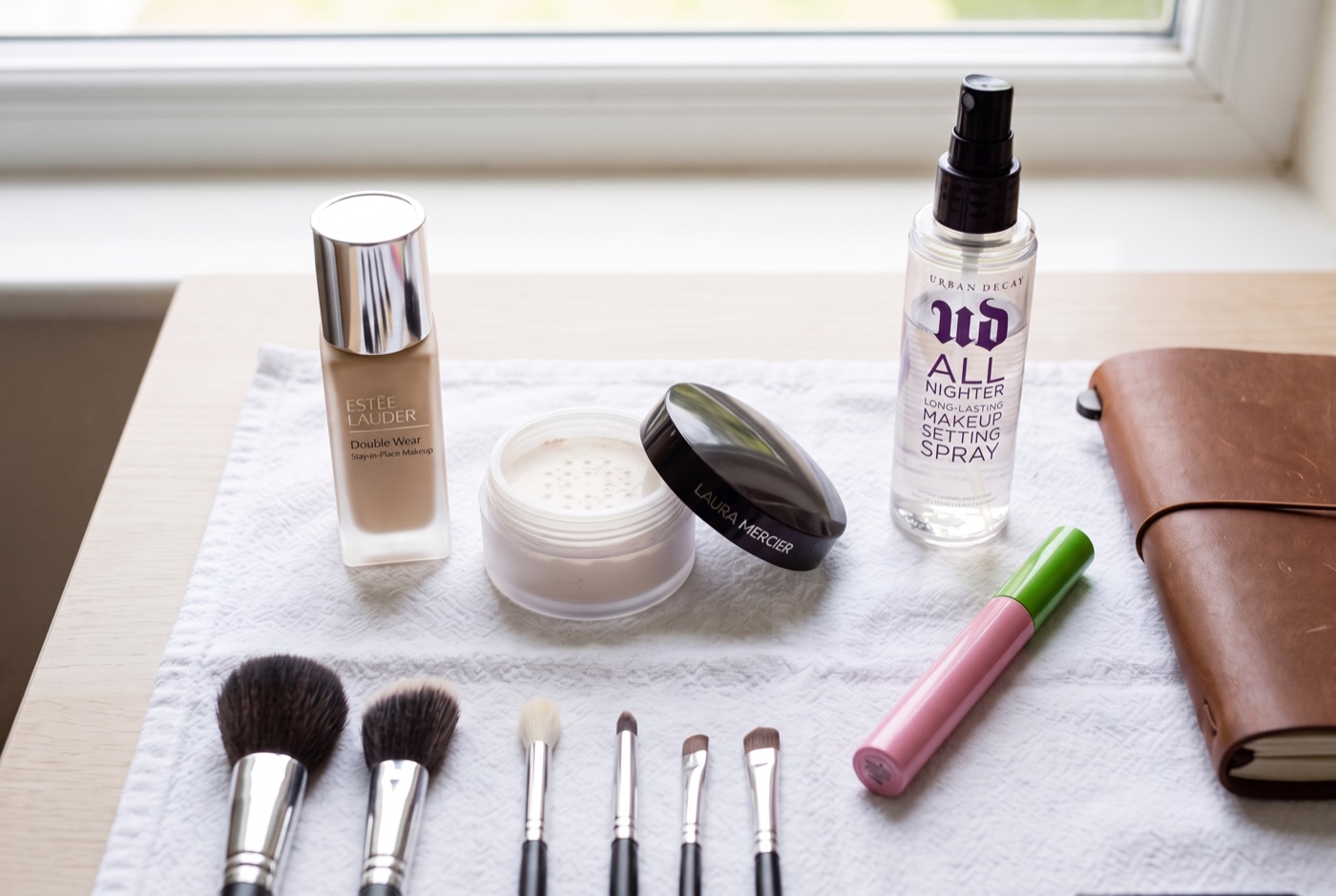
Estée Lauder Double Wear, around $52 — two bottles, mixed. One half a shade lighter, one deeper, blended on the back of my hand to her tone. It sets firm, holds through a warm room and photographs cleanly under flash, which is the exact moment that catches out dewier bases at evening receptions.
Laura Mercier Translucent Loose Setting Powder, around $43. Pressed with a velour puff, not swept, and only where the face moves — under the eye, either side of the nose, the chin.
Urban Decay All Nighter, around $38. Two passes, one before powder and one after, held far enough away that it lands as mist rather than rain.
Maybelline Great Lash Waterproof, around $8. The crying question, answered by the cheapest thing on the towel. Waterproof formulas are stiffer and less impressive in the tube; that stiffness is exactly the point at four in the afternoon.
What I write down, which is the actual product
The face comes off at the end. The notes are what survive, and they are boring, which is why they work:
- Foundation A and Foundation B, and the ratio between them
- Corrector shade, and the exact three places it goes
- Powder: where, and — more often — where not
- Blush placement and product, with a note on how much
- The lip, plus the backup lip, plus which one she should carry
- Skin prep, in order, with the waiting time in minutes
- Timing: how long the whole face took, so the morning schedule is real and not optimistic
- The one adjustment we agreed to make on the day
The finished face gets photographed by the window and filed with the notes. On the morning I am not remembering anything. I am reading.
What a trial cannot do
It cannot predict skin that changes. We adapt on the morning, and I would rather know a week out — but working out what is actually happening to the skin is a doctor's job, not mine, and starting a new active four weeks before a wedding is the most common way brides create a problem that did not exist.
It cannot save a morning with no time in it. Thirty minutes for a face that took seventy-five is not fixable by preparation, which is exactly why I time it.
And it is not the moment to try a look you have never worn. The trial tests whether something works on your face — it is not for deciding, in one afternoon, to become a different person on the most photographed day of your life.
If you are working out when to book: four to eight weeks before, and Saturdays go first. The bridal page has what is included, or just tell me the date and I will tell you honestly whether I am the right person for it.
Or let me do it
Reading about it is
slower than a lesson.
Two hours at your table, with your own products, and you hold the brush. $350 — and you keep the notes.
Keep reading
More from the journal
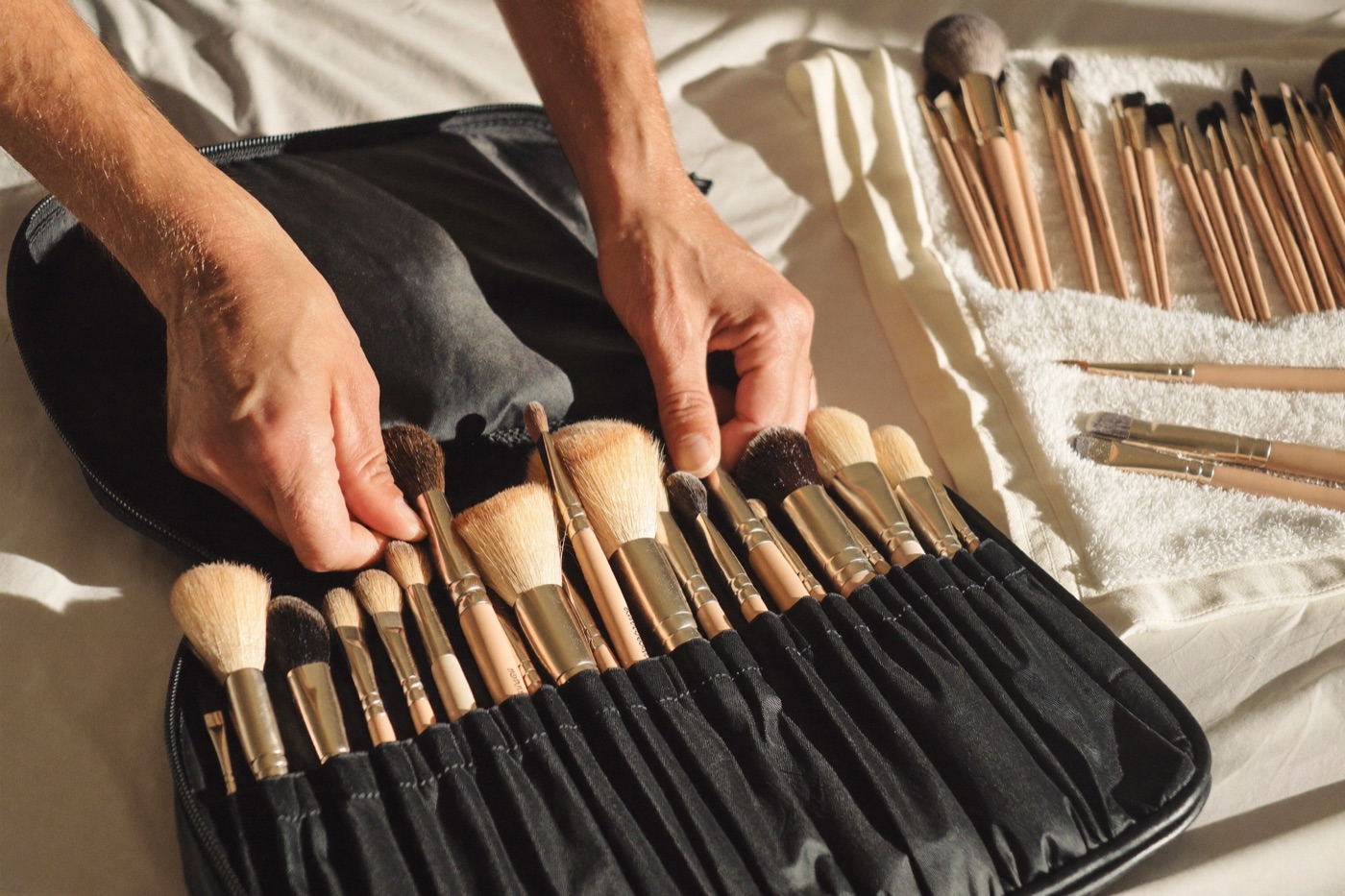
What's actually in my kit — and what's been in there unused for a year
A working makeup artist's bag, honestly inventoried. Including the drawer of brushes I bought at one in the morning and have never once picked up.
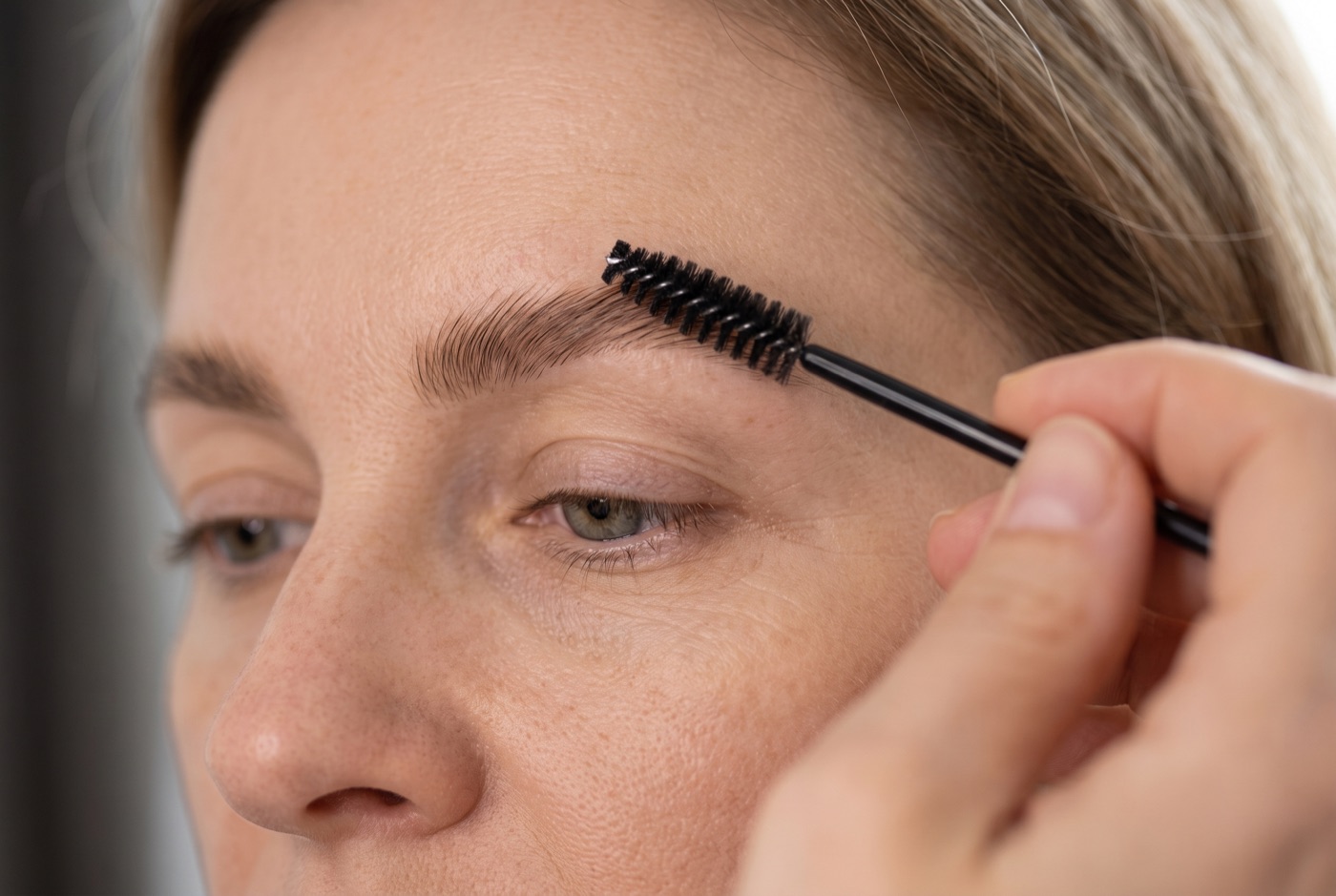
Most brows only need brushing
Before you fill anything, brush your brows up and set them. For most of the faces I see, that is the whole job, and it takes thirty seconds.
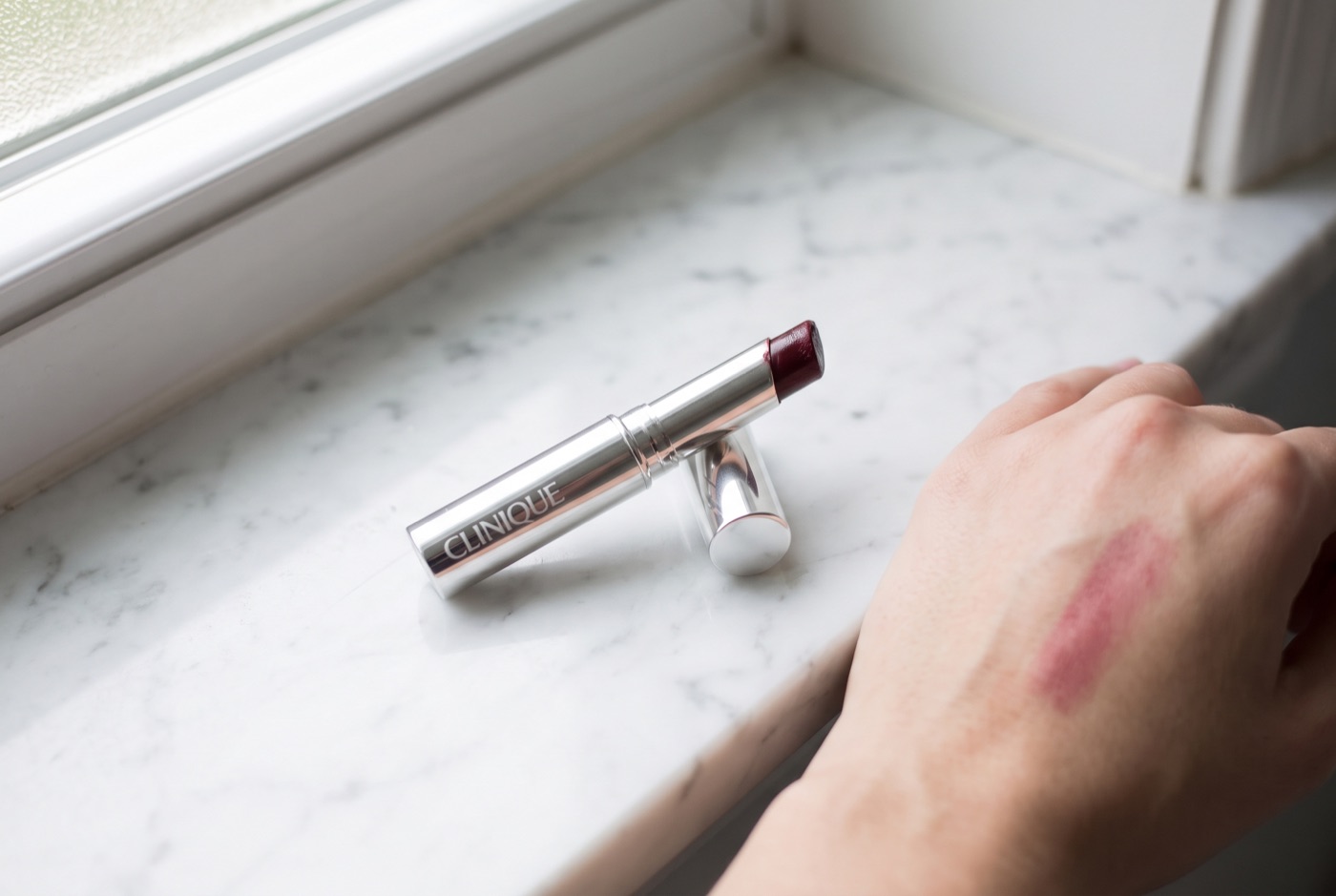
Clinique Black Honey looks scary in the tube. Wear it anyway
A sheer, dark berry lipstick that adapts to almost every lip color, and is at its best when you ignore how you were taught to apply lipstick.