What's actually in my kit — and what's been in there unused for a year
A working makeup artist's bag, honestly inventoried. Including the drawer of brushes I bought at one in the morning and have never once picked up.
 Danny Rose
Makeup artist · New York
Danny Rose
Makeup artist · New York
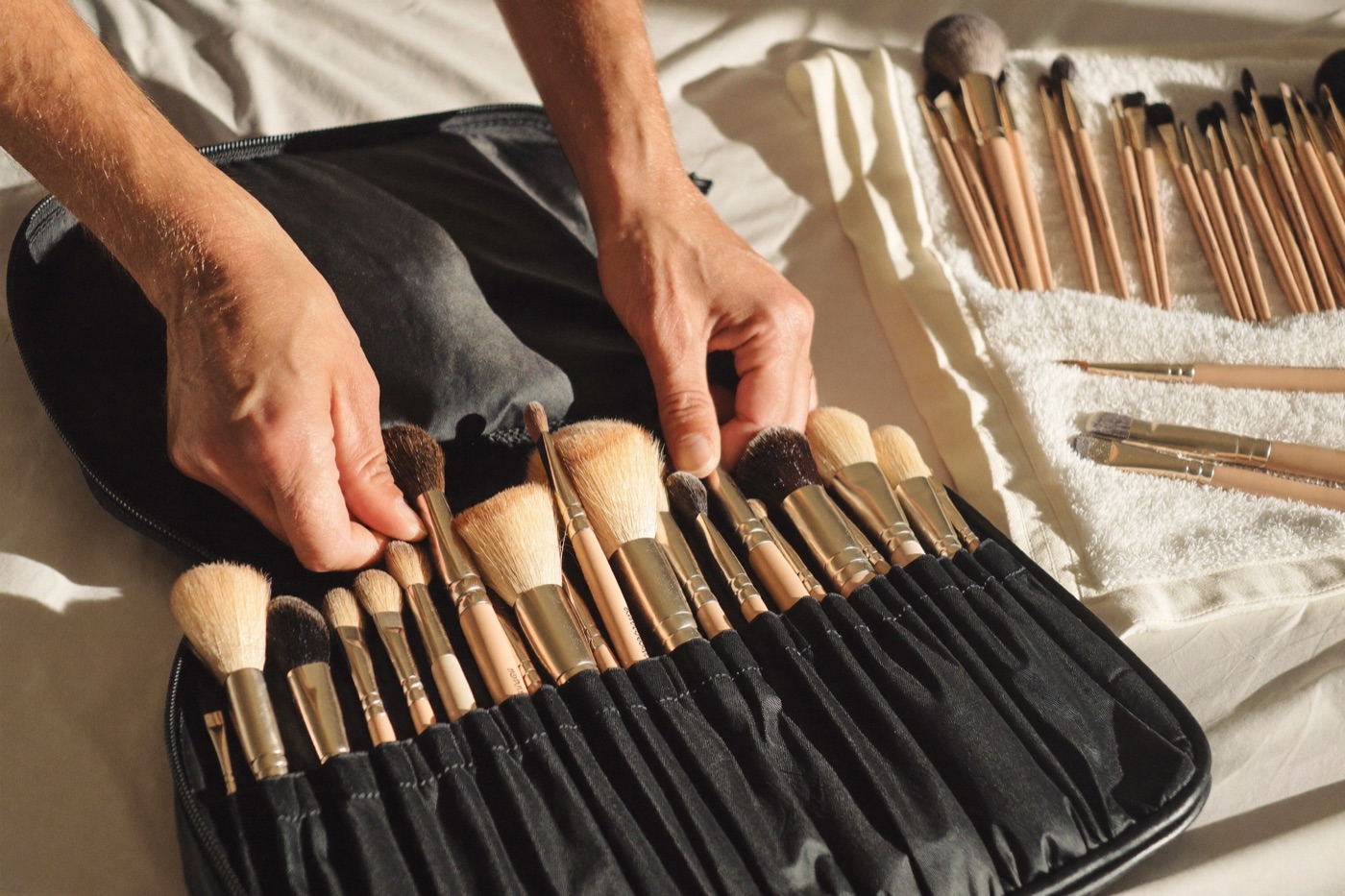
People ask what is in my kit expecting a shopping list. What they actually find interesting, once we get into it, is the opposite: how few things get used on any given job, and how much of the bag is insurance.
So here is the honest inventory. Including the parts I am not proud of.
The things that come out on every single job
There are about nine of them, and they have not changed much in four years.
A damp sponge. Not a brush. The single most-used tool in the bag, and the cheapest. I go through a lot of them because they get washed after every face and replaced when they stop springing back.
Two foundations that I mix. One a shade too light, one a shade too dark, mixed on the back of my hand. This is how professionals match skin, and it is why the "what shade are you" question is less useful than people think.
A cream blush. On every face. Men included. It does more than any other single product to make somebody look like a person rather than a surface.
A brow spoolie. Before anything else touches the brow. Half of what looks like a brow problem is a brow that has not been brushed.
One good neutral shadow. Something a shade or two deeper than the skin. It is a background for everything, it fixes a flat lid in twenty seconds, and it works on everyone.
Black mascara. Not brown, not blue. One tube, replaced every three months, never shared between clients — a wand goes in once and gets thrown away. (And if your question is less about mascara and more about growing what's under it: that turned into its own article this summer.)
A teal pencil. Obviously.
Blotting papers. More useful than powder for a mid-day fix and considerably less likely to make things worse.
Micellar water and cotton swabs. The undo button. I would rather have these than any product in the bag.
The insurance layer
This is the larger half of the kit and it earns its place by almost never being needed.
Color correctors in orange, peach and green. A cream contour I use on maybe one client in four. A very heavy full-coverage concealer for tattoos and scarring when somebody asks. Lash glue and three sets of strip lashes. A brow pomade in two shades. A tiny bottle of facial oil for skin that turns out to be far drier than the client told me. Setting powder in translucent and in two tones. Hairgrips, which are never mine and never returned.
None of these come out on a typical booking. All of them have saved a booking at some point, which is exactly why professionals carry heavy bags and civilians should not try to replicate a kit.
The drawer
Now the part I promised.
At home there is a drawer of brushes I bought between midnight and two in the morning, watching somebody with better lighting than me demonstrate a problem I did not have. Nine of them, roughly. A tiny angled thing for "precision inner corner work". A fan brush, which I have used twice in my life and both times regretted. Two nearly identical dense buffing brushes bought eleven months apart, which tells you everything about how well I learn.
There is also a color-correcting palette with twelve shades, of which I use two. A glitter that I loved for one job and have been finding in my flat ever since — currently on a skirting board, from January. A setting spray that smells like a hotel lobby and which I cannot bring myself to use or to throw away.
I keep the drawer open during lessons deliberately. People arrive slightly embarrassed about the things they have bought and do not use, as though this is a personal failing rather than the entire business model of an industry. It is very freeing to see a professional's version of the same drawer.
Nobody in this industry is going to tell you that you already own enough. It is not in anyone's interest except yours.
How I would build a kit from nothing
If somebody handed me a budget and asked for a personal kit that covers ninety per cent of days:
- A sponge, and a second one so there is always a clean one.
- One foundation, matched properly in daylight — not under shop lighting, which is lying to you.
- One concealer, one to two shades lighter, no more.
- A cream blush in something you think is slightly too bright.
- One neutral shadow slightly deeper than your skin.
- A brow product you can apply in ninety seconds without concentrating.
- Black mascara.
- A translucent powder and a small brush, for the nose and chin only.
That is eight things. It will get you through weddings, work, funerals and Tuesdays, and it will cost less than one panic-bought palette.
Everything after those eight is a hobby, and hobbies are allowed. I have a drawer that proves it.
If you want somebody to go through your own version of that drawer with you and say out loud which things are never going to work — that is more or less what the one-to-one lesson is. Bring everything. I have seen worse.
Or let me do it
Reading about it is
slower than a lesson.
Two hours at your table, with your own products, and you hold the brush. $350 — and you keep the notes.
Keep reading
More from the journal
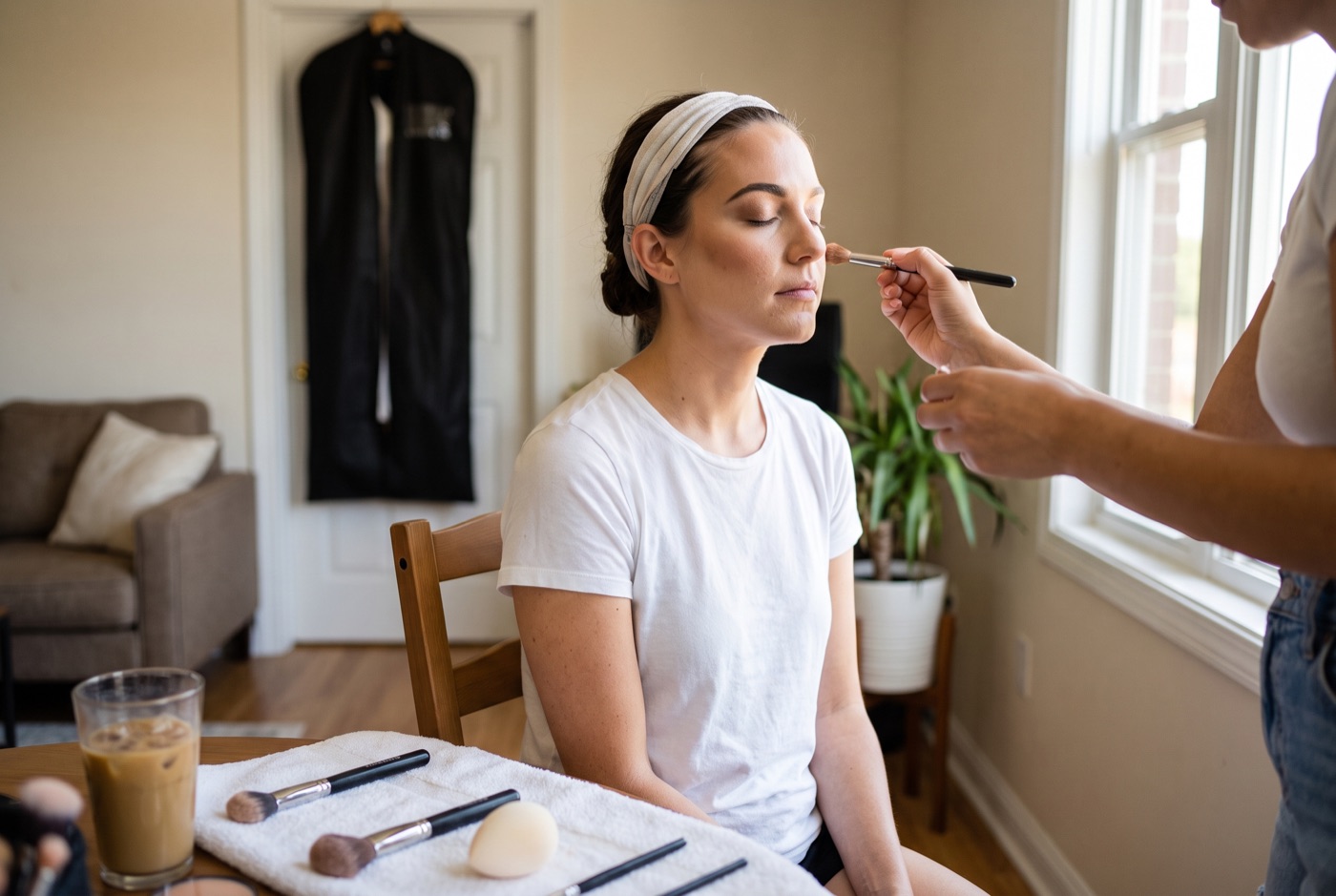
What actually happens in a bridal trial, minute by minute
Ninety minutes in somebody's living room, and almost none of it is the part people expect. Here is the whole thing, including what I write down.
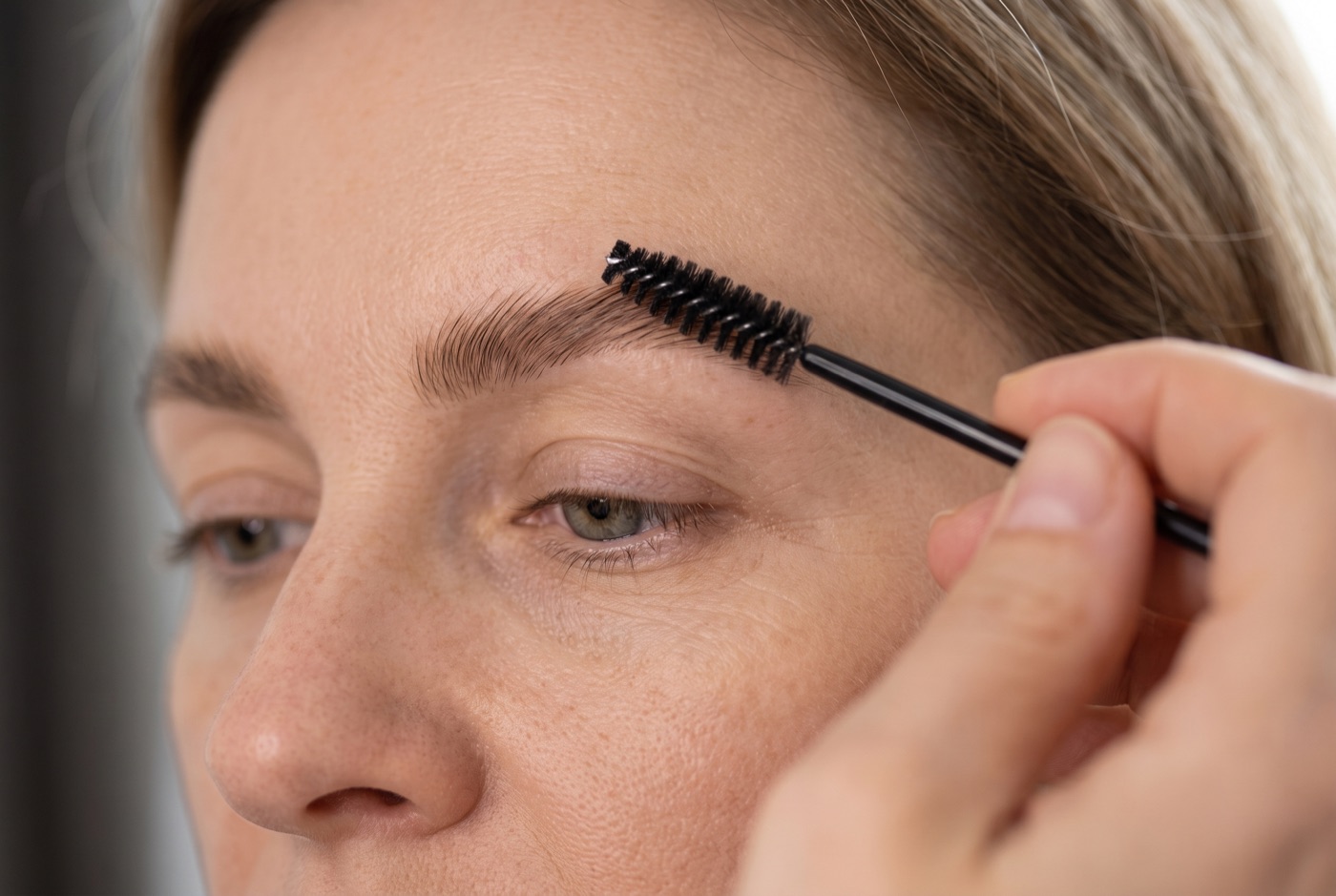
Most brows only need brushing
Before you fill anything, brush your brows up and set them. For most of the faces I see, that is the whole job, and it takes thirty seconds.
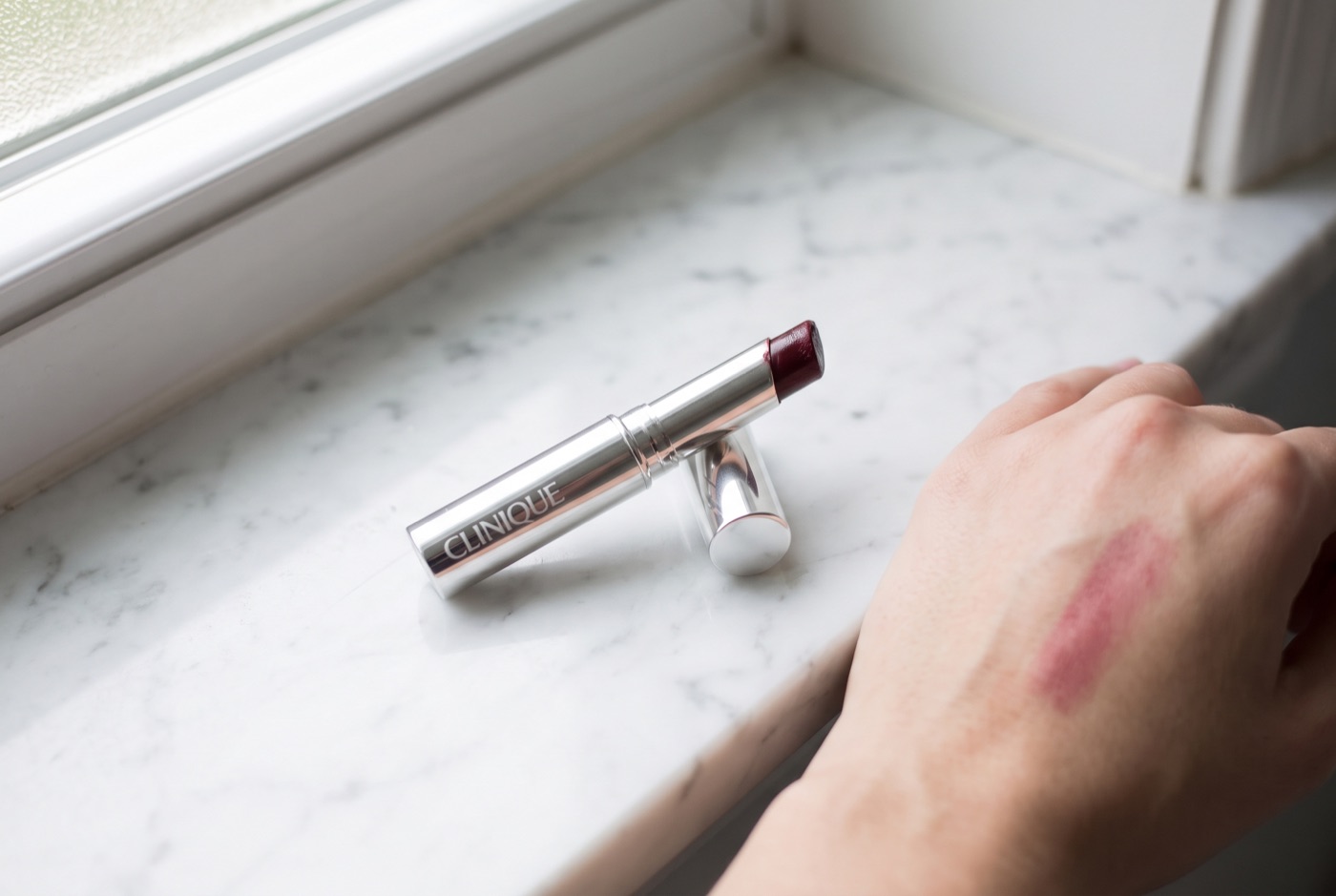
Clinique Black Honey looks scary in the tube. Wear it anyway
A sheer, dark berry lipstick that adapts to almost every lip color, and is at its best when you ignore how you were taught to apply lipstick.