Four products that genuinely survive a nine-hour day
The long-wear things I take to every event booking in New York — what each one is brilliant at, and how to get the most out of it.
 Danny Rose
Makeup artist · New York
Danny Rose
Makeup artist · New York
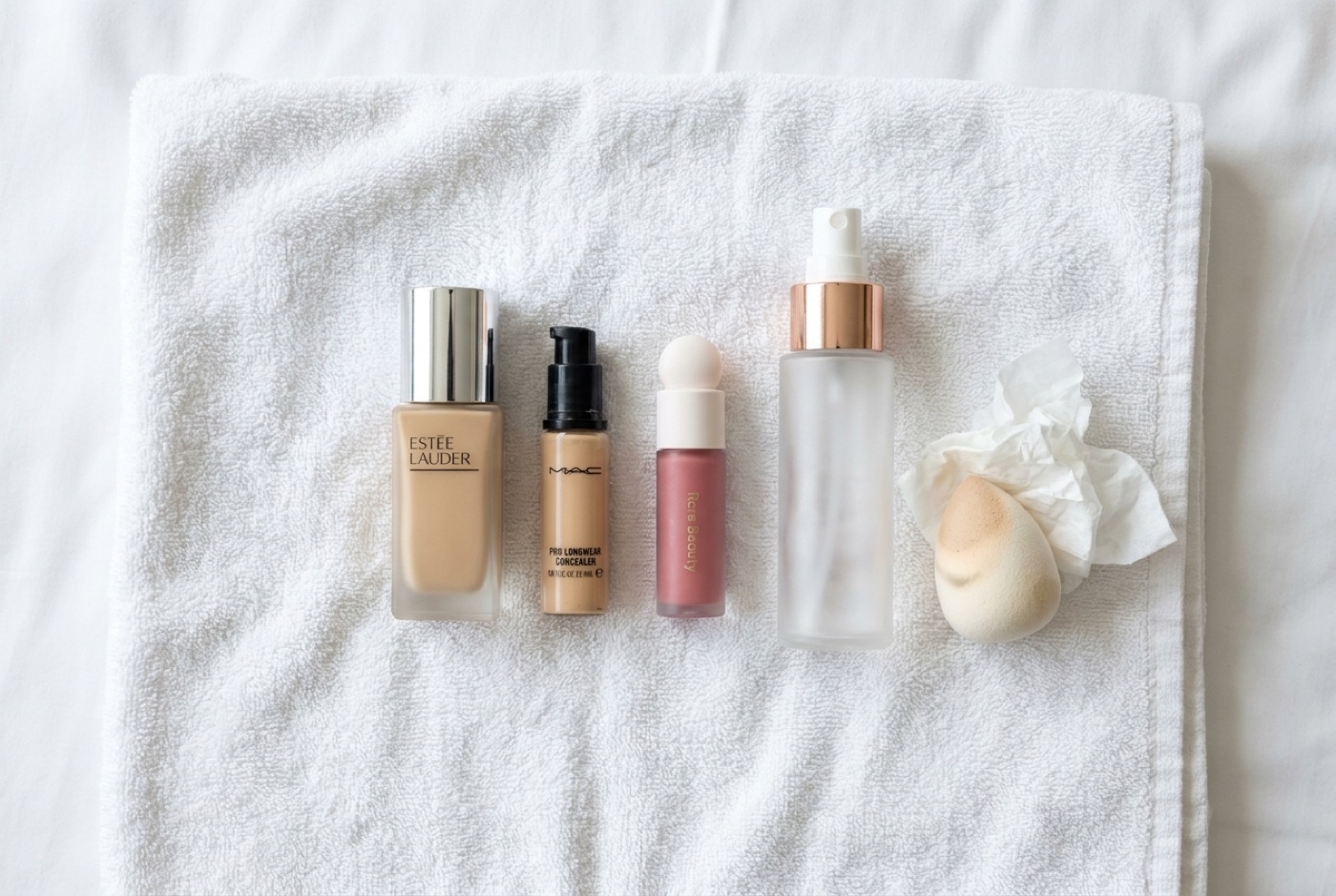
"Sixteen hour wear" is a laboratory number. It means the product survived sixteen hours of not very much happening. It does not mean it will survive a July wedding in Brooklyn, a room at eighty-five degrees, four hours of dancing and roughly two hundred hugs.
I do a lot of event work, which means a small group of products have earned a permanent place in the bag. These four have been in there for years and they have never once let me down. Each one is here for a different job.
Estée Lauder Double Wear — the one that never moves
It is old, it is not exciting, and it is in every professional kit in the country for a very good reason.
What it is brilliant at: staying exactly where it was put. It sets firm, it holds through a warm room, and it photographs beautifully with flash — which is the specific moment that catches out a lot of newer, dewier foundations at evening events. The shade range is enormous and the shades stay true as they oxidize, which not every long-wear base manages.
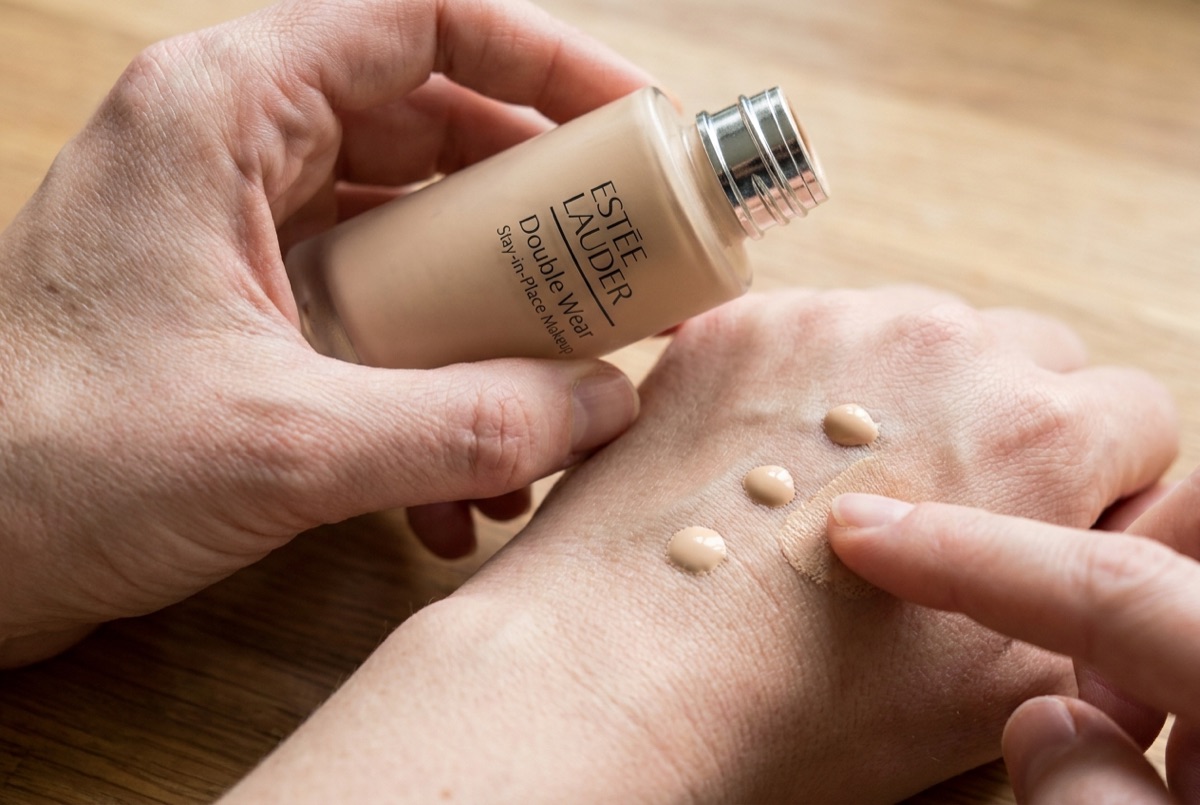
How I get the best out of it: thinned. Half a pump on the back of the hand, a damp sponge, and I build only where coverage is actually wanted rather than covering the whole face. On drier skin I mix in a drop of facial oil — heresy to some people, and it works every time. Applied that way it looks like skin and still lasts all night.
MAC Pro Longwear Concealer — the specialist
Here is the one that does the job nothing else in my bag can do.
What it is brilliant at: absolutely refusing to shift. Around the nose, over a blemish, along the jaw where a collar rubs all evening — this is the product I reach for, every single time, and it is still there at midnight. The pigment load is remarkable, so you genuinely need very little, and the tiny bottle lasts a full season of events.
How I get the best out of it: treat it as a spot tool, not an all-over concealer. A small firm brush, the smallest amount, tapped rather than swept, and set immediately with a whisper of powder. Under the eye I mix a single drop with a little eye cream on the back of my hand first — that keeps all the staying power and gives it the flexibility that delicate skin needs.
Rare Beauty Soft Pinch Liquid Blush — the one that outlasts powder
I know this sounds backwards. Powder feels more permanent.
It is not. Powder blush sits on top of whatever it was set over, and by hour six that surface has changed. A liquid or cream blush pressed into the skin becomes part of the base and is still there long after powder cheeks have gone.
What it is brilliant at: color that reads as a flush rather than as product, for an extraordinarily long time. One dot per cheek is genuinely enough — this is the most pigmented blush I own and a whole season of weddings has barely dented the bottle. It works across every skin tone I have put it on, which is not something I can say about many blushes.
How I get the best out of it: dot it on the back of the hand first, never straight onto the face. It grips fast, so work in small amounts with your fingers, pressing and rolling rather than dragging. On oily skin, a light dusting of a similar powder shade over the top locks it for the night.
Charlotte Tilbury Airbrush Flawless Setting Spray — the one doing the quiet work
The unglamorous truth of long wear is that the setting step matters more than the foundation does.
What it is brilliant at: actually locking things down rather than just dampening the surface. There is a real difference between a hydrating mist and a setting spray, and this one is firmly the second. It also takes the powdery edge off a fully set face, so the makeup ends up looking like skin instead of like makeup.
How I get the best out of it: in two stages, which is the bit that changes everything. A light mist before powder, then the rest of the face, then a proper mist at the end held at arm's length — an X, then a T. Spraying up close in one wet burst just moves your foundation around. Let it dry without touching it.
The four rules that matter as much as the products
Products are maybe a third of the answer. The rest is technique, and it is free.
- Thin layers, more of them. Three sheer layers outlast one thick one every single time. Thickness is what cracks.
- Let each layer sit. Sixty seconds between skincare and foundation, sixty between foundation and powder. Most "it slid off" stories are really "it never dried".
- Powder only where you move. Nose, chin, the inner corners of the eye, the center of the forehead. That is it.
- Blot, don't rebuild. At hour six, blotting paper and a light press of powder. Adding another layer of foundation over eight hours of wear is what people are actually afraid of when they say makeup looks heavy.
If you only buy one
The setting spray. It changes the outcome most, for the least money and the least skill, and it improves every base you already own.
If you are buying two, add the liquid blush. Nine hours later it is the thing that still makes a face look alive.
Nobody is paid to be mentioned here, there are no affiliate links anywhere on this site, and if something better turns up I will say so in public.
Or let me do it
Reading about it is
slower than a lesson.
Two hours at your table, with your own products, and you hold the brush. $350 — and you keep the notes.
Keep reading
More from the journal
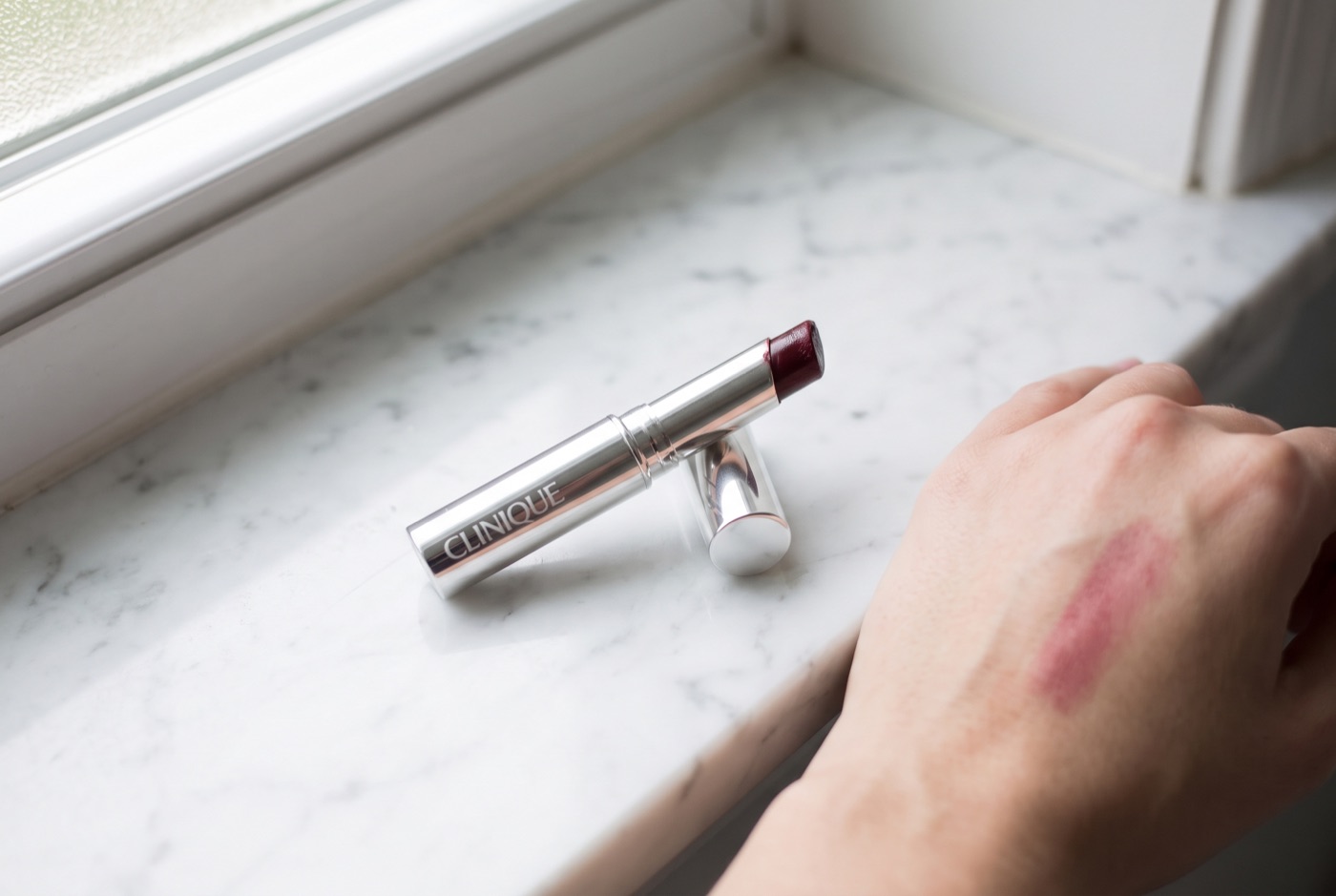
Clinique Black Honey looks scary in the tube. Wear it anyway
A sheer, dark berry lipstick that adapts to almost every lip color, and is at its best when you ignore how you were taught to apply lipstick.
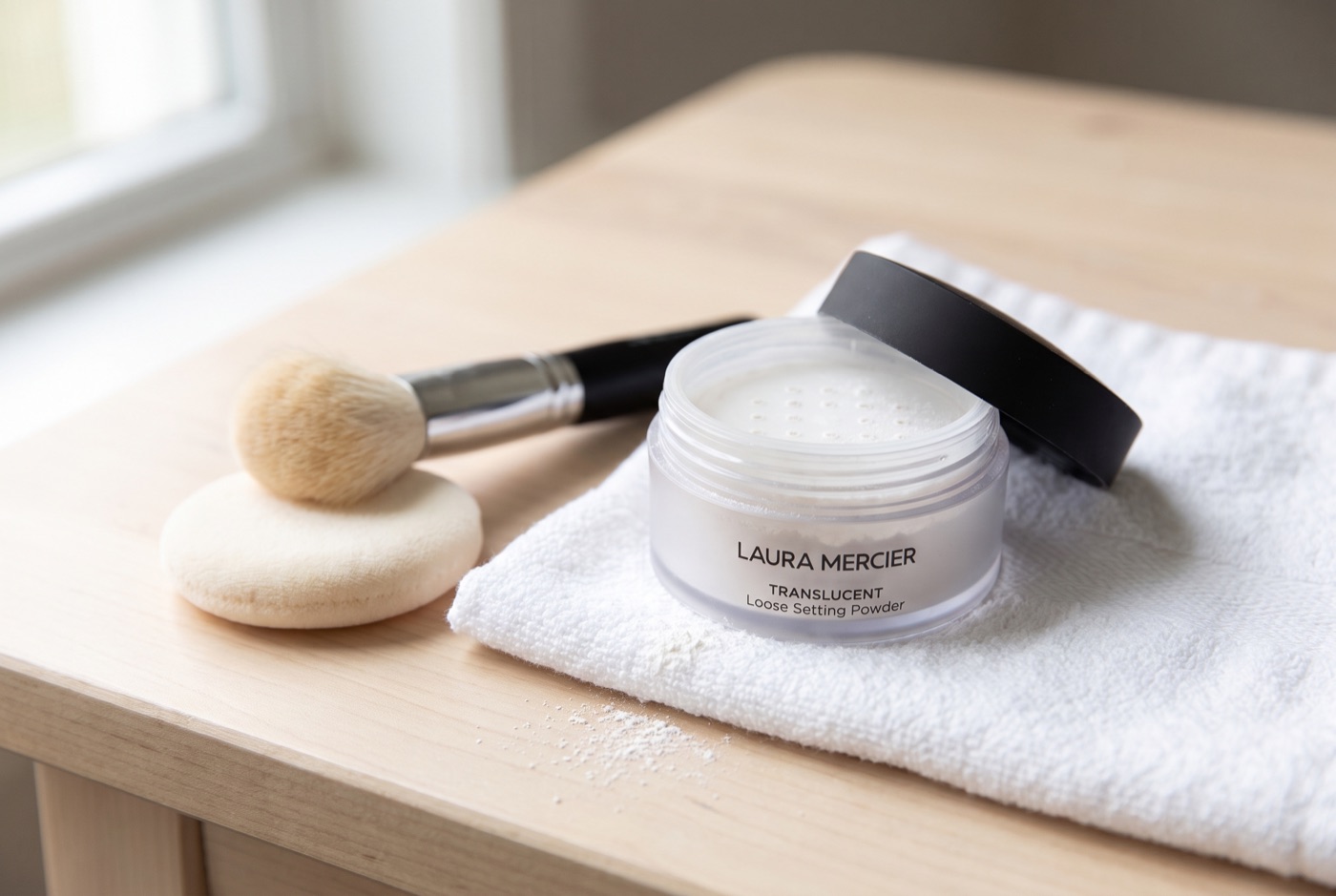
The setting powder that has been in my kit for eleven years
Laura Mercier Translucent Loose Setting Powder is brilliant at one specific thing, and almost everyone uses ten times too much of it.
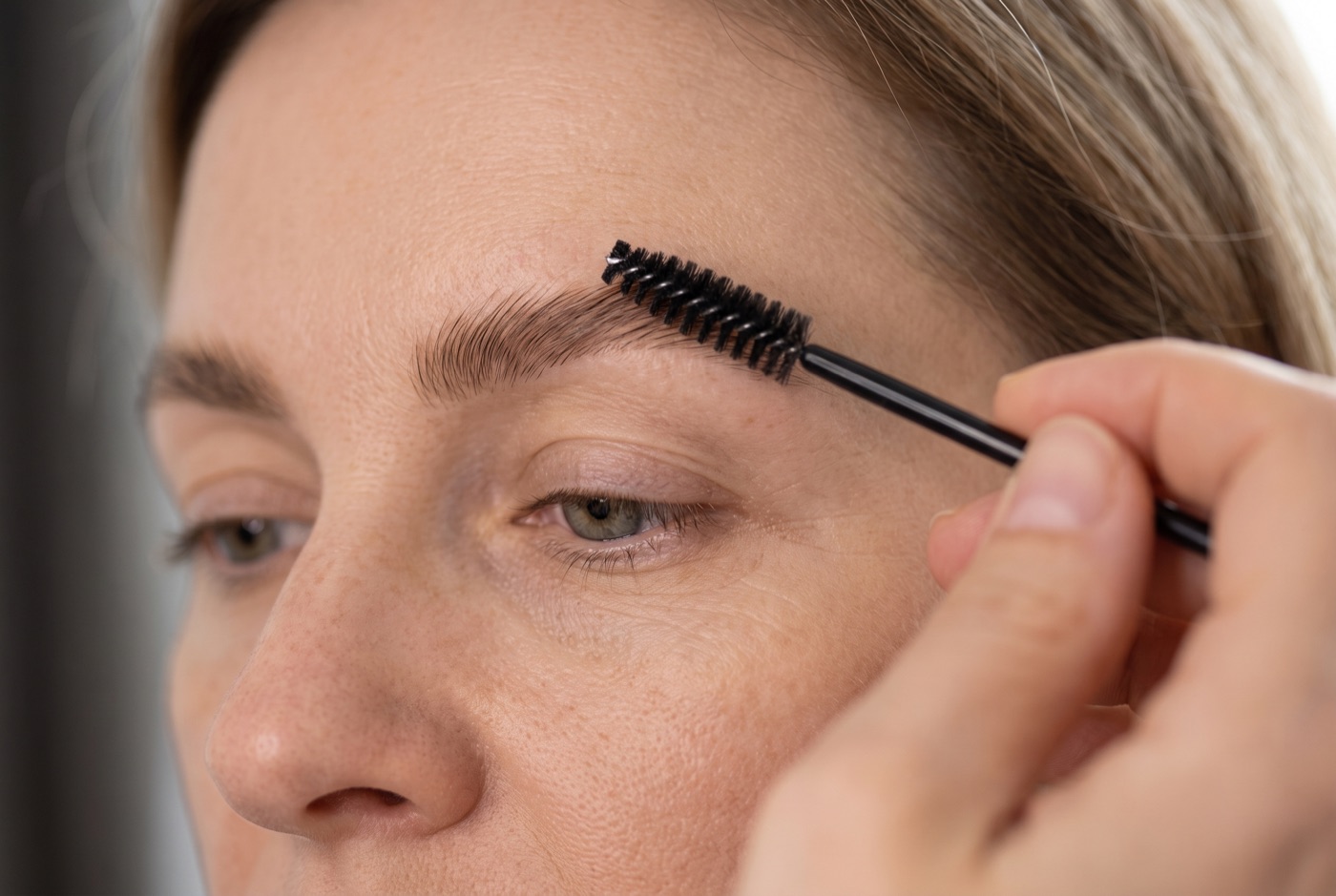
Most brows only need brushing
Before you fill anything, brush your brows up and set them. For most of the faces I see, that is the whole job, and it takes thirty seconds.