The setting powder that has been in my kit for eleven years
Laura Mercier Translucent Loose Setting Powder is brilliant at one specific thing, and almost everyone uses ten times too much of it.
 Danny Rose
Makeup artist · New York
Danny Rose
Makeup artist · New York
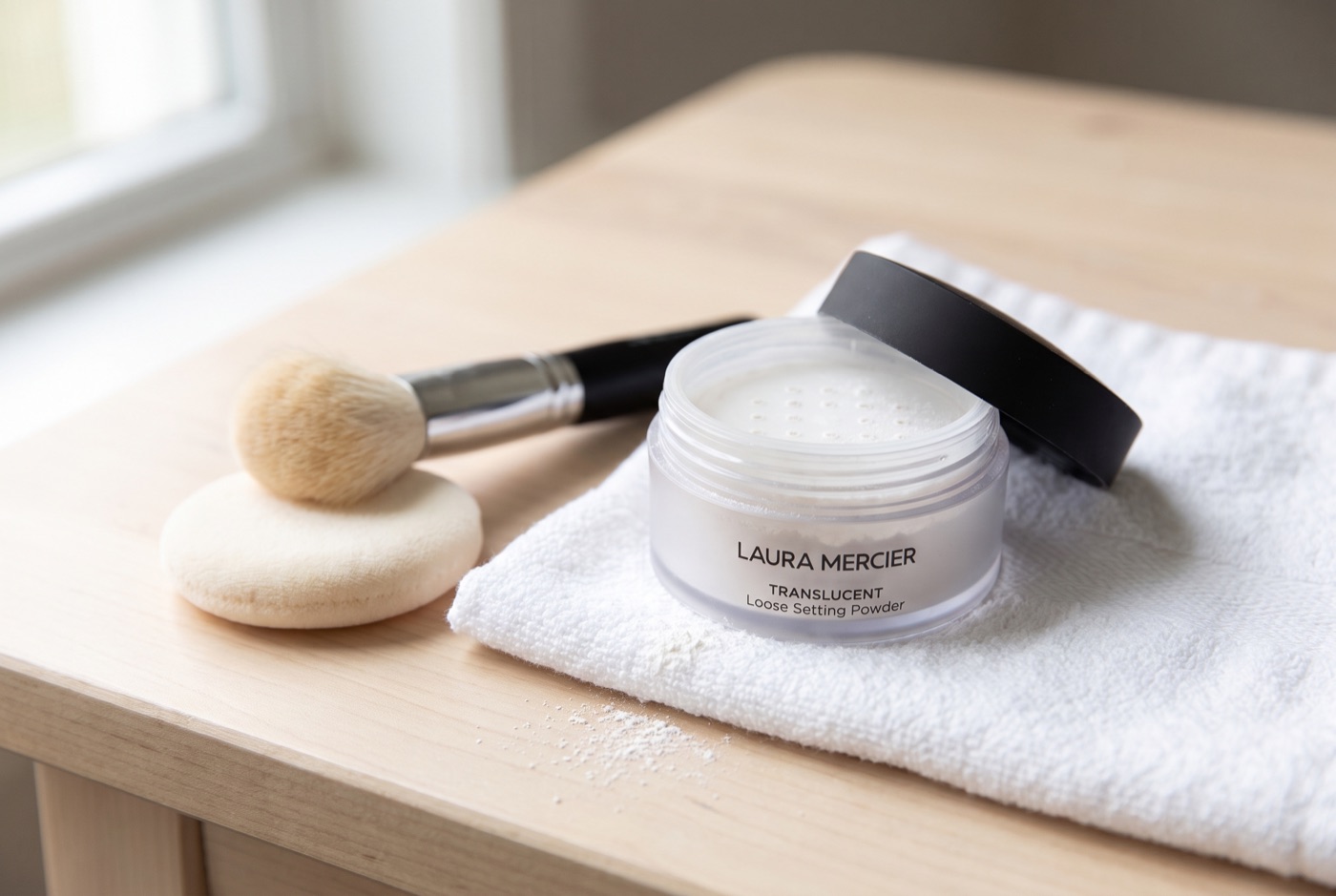
There is a small jar with a black lid that has been in my kit since I started, and it is on the table at essentially every booking I take. It has outlasted three kit bags and about forty foundations.
Laura Mercier Translucent Loose Setting Powder, roughly $43 for a jar that will last you years unless you are extremely enthusiastic with it. It is not new, it is not exciting, and it is the single item I would replace first if my bag were stolen tomorrow.
What it is brilliant at
Locking a base in place without changing its color. That sounds obvious for something with "translucent" on the lid, and it really is not — plenty of translucent powders read white, particularly on medium and deep skin and particularly on camera, where a flash finds every trace of it and hands you a grey cast across the face. This one is milled fine enough and sheer enough that it genuinely disappears. On tan and deep skin I still reach for the Medium Deep shade rather than the original, because "translucent" is a promise no white powder can keep on every complexion, but within its range it holds up under flash better than anything else I own.
Staying put without going flat. It sets, and it stays set through a warm room, but it leaves a finish that still looks like skin rather than paper. That is the balance almost every other setting powder gets wrong in one direction or the other.
Doing its job in tiny amounts. The pigment is not the point here, the grind is. A quantity that looks like nothing on the puff is genuinely enough, which is why the jar lasts so long — and, awkwardly, also why so many people are unhappy with it.
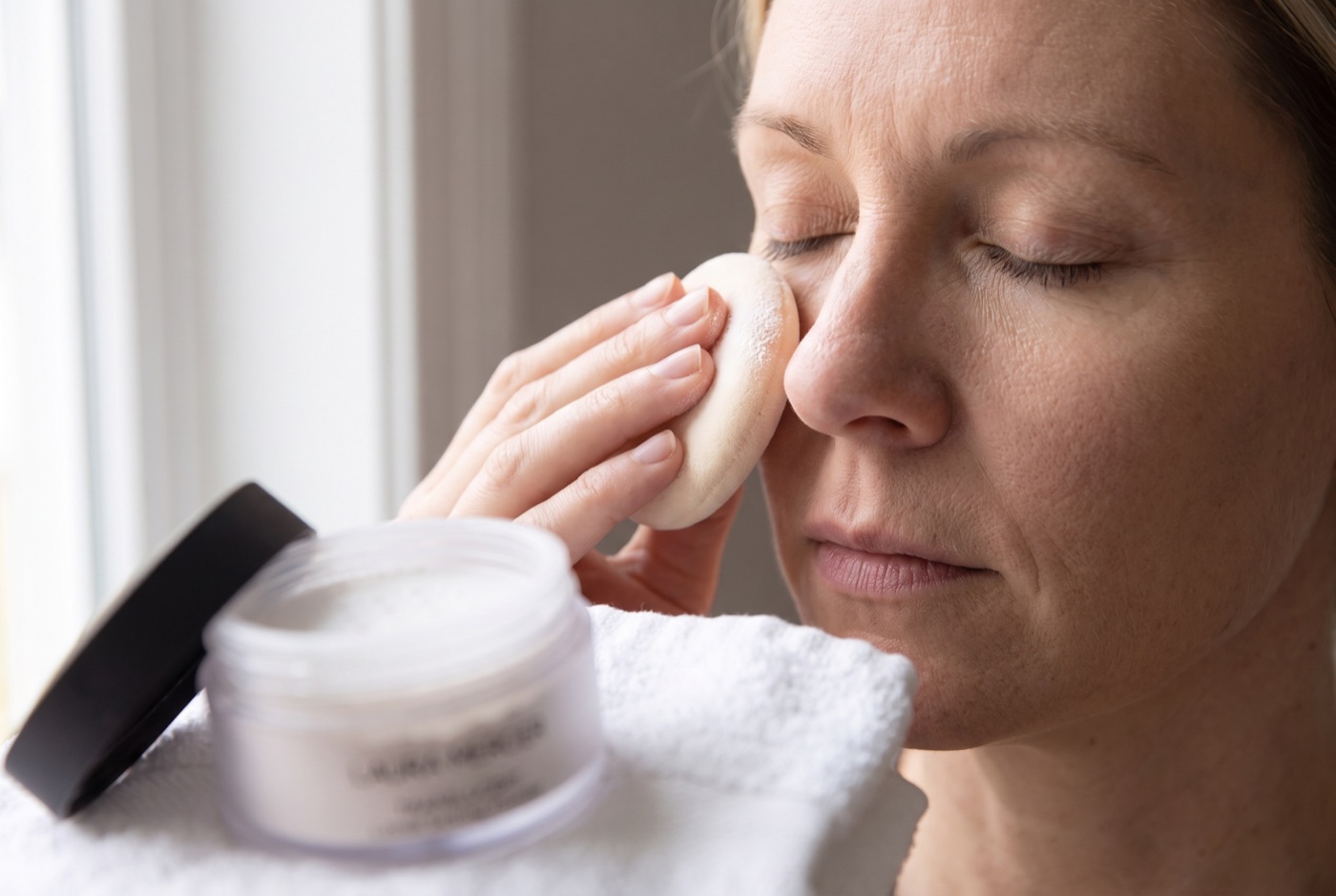
How I get the best out of it
Here is the part that matters, and it is not the product, it is the hand.
- Decant into the lid. Tip a small amount into the upturned lid and work from there. Loading straight from the sifter gives you three times what you need and puts it everywhere.
- Use the puff, not the brush, wherever you want it to actually last. The velour puff presses powder into the base; a brush lays it on top, where it sits until the first time you touch your face. Press, roll gently, lift. Do not sweep — sweeping drags your foundation around and gives you that patchy look people blame on the foundation.
- Tap the puff out until you think you have ruined it. Load it, then press it against the back of your hand two or three times. The powder that remains is the powder you want. What is left on your hand was the excess that would have gone chalky.
- Only where you need it. Under the eye, either side of the nose, the centre of the chin, and — if you get shiny there — the middle of the forehead. Not the cheeks. Not the outer face. Powder on skin that was not going to move is the fastest way to look older and drier than you are.
- Set the under-eye immediately, in one press. Concealer has a window of maybe thirty seconds when it will accept powder without going cakey. Press once, firmly, and walk away. Do not go back and add more, ever.
- The professional trick: use it to press, not to mattify. On dry or mature skin I press a barely-loaded puff only into the areas that crease — the smile line, the under-eye crease — and leave everything else glowing. You get the longevity exactly where movement lives and none of the flatness anywhere else.
Loose powder is a targeting product, not a finishing product. The people who hate it are almost always people who were taught to put it everywhere.
The other use nobody talks about: a puff of it pressed over lipstick, through a single ply of tissue, turns any creamy lipstick into something that will survive dinner. Same jar, no extra product.
Who it is for, and who it is not
Worth it for you if: you wear a base and want it to last past lunchtime; you photograph a lot, especially with flash; you have combination or oily skin; you have a wedding, an event or a long day where reapplying is not realistic. Also worth it if you simply want one powder for the next three years rather than a new one every season.
Not the one for you if: you wear no base at all — in that case you want something with a little color in it, because loose translucent powder on bare skin does very little; or if you have visibly dry, flaking patches, where any powder is going to find them and a hydrating spray will serve you better.
If it is still not working
If you are getting flashback — that white ghost in photographs — check the shade first. If you are on the original Translucent and you are medium or deeper, move to Medium Deep and the problem generally disappears. If you are already on the right shade and still seeing it, the culprit is usually the amount plus a heavy hand with a setting spray on top.
If it clings to dry patches, powder is not the thing to fix. Sort the hydration out underneath and come back to it.
And if it is settling into lines by mid-afternoon, that is not the powder failing, that is more powder than the skin can hold. Take the amount down by half for a week before you conclude anything.
No affiliate link, no code, nothing to click — I do not make a penny from this page, which is exactly why I can tell you the whole answer is "use less". If you want somebody to show you the press-and-roll on your own face with your own jar, that is what the one-to-one lesson is for. Bring the powder you already own. It is probably fine.
Or let me do it
Reading about it is
slower than a lesson.
Two hours at your table, with your own products, and you hold the brush. $350 — and you keep the notes.
Keep reading
More from the journal
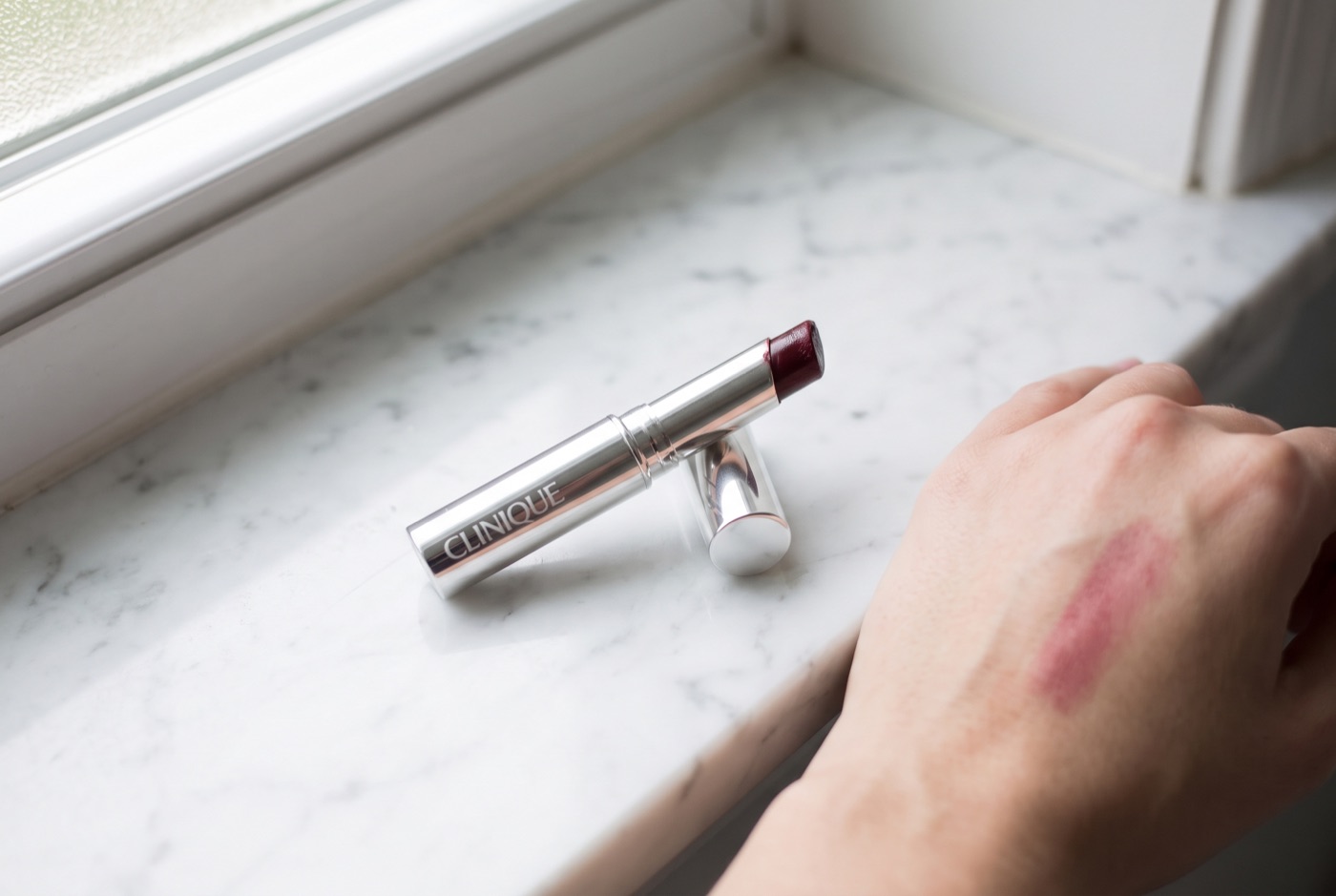
Clinique Black Honey looks scary in the tube. Wear it anyway
A sheer, dark berry lipstick that adapts to almost every lip color, and is at its best when you ignore how you were taught to apply lipstick.
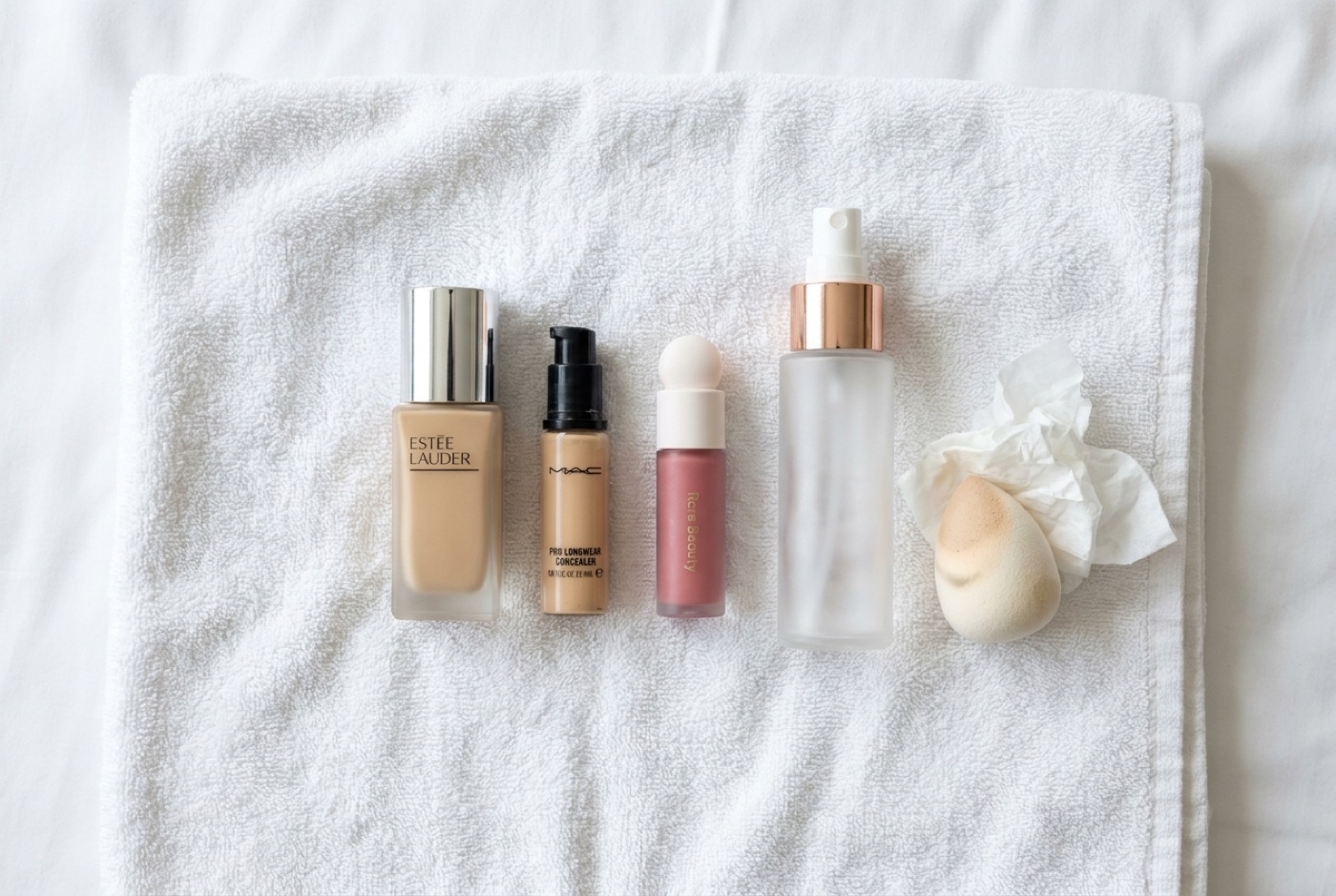
Four products that genuinely survive a nine-hour day
The long-wear things I take to every event booking in New York — what each one is brilliant at, and how to get the most out of it.
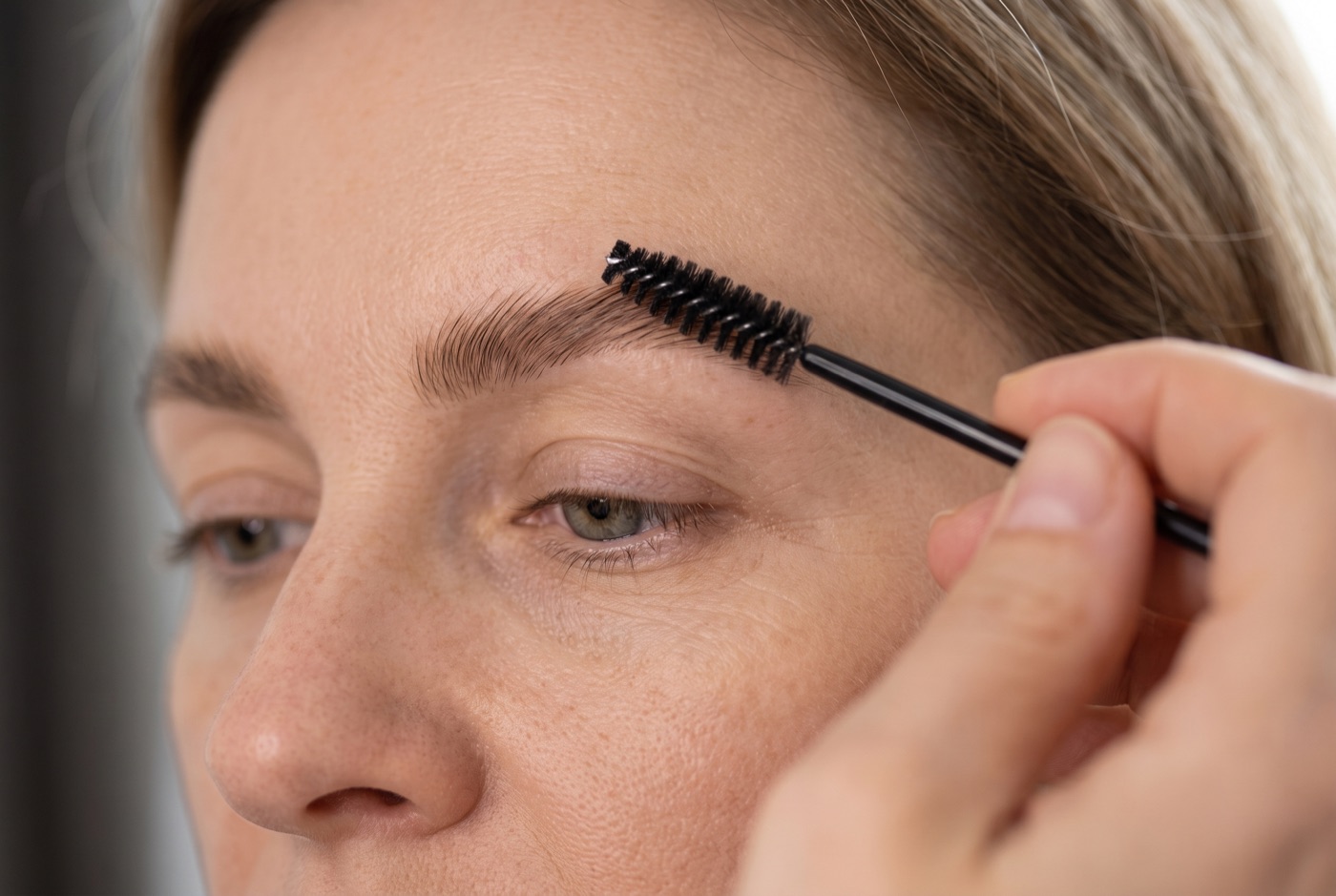
Most brows only need brushing
Before you fill anything, brush your brows up and set them. For most of the faces I see, that is the whole job, and it takes thirty seconds.