Why your foundation gets darker by lunchtime
Oxidation is real, it is predictable, and it is almost never fixed by buying a lighter shade of the same bottle.
 Danny Rose
Makeup artist · New York
Danny Rose
Makeup artist · New York
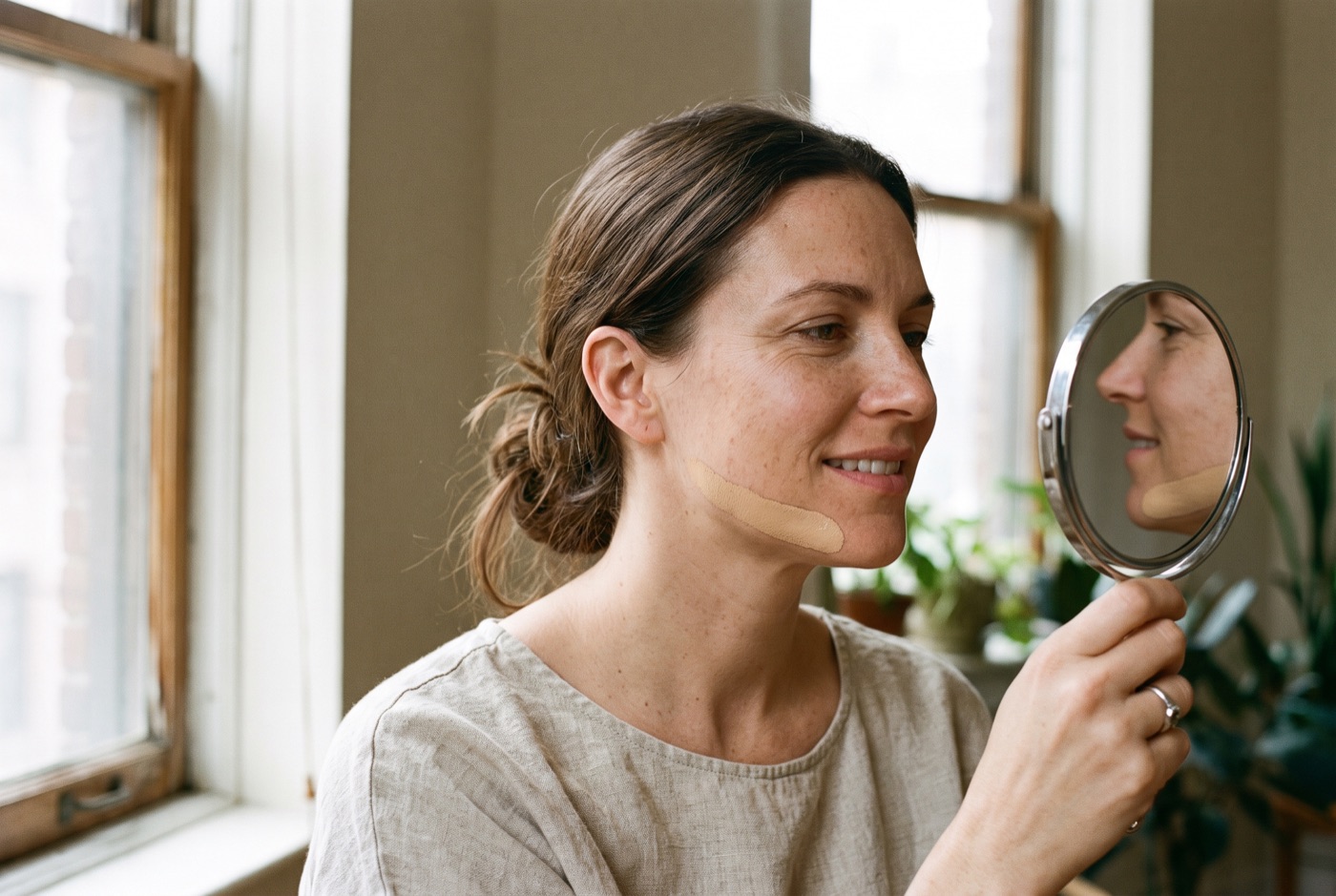
At least once a month a client opens the conversation with the same sentence: "Everything I buy turns orange on me." They have usually tried three or four bottles. They have usually gone a shade lighter each time. And by the time they get to me they are wearing something that looks ghostly at 8 a.m. and still a little too warm by the afternoon.
That is oxidation, and the good news is that it is the most predictable thing in your makeup bag. It is not random and it is not your fault. It just needs testing differently from how you were taught to test.
What is actually happening
Foundation changes once it is on your face. Some of that is air: pigments and certain ingredients react with oxygen and deepen slightly over the first stretch of wear. Some of it is you: the oil your skin produces mixes into the base, and oil makes almost any pigment look deeper and warmer, the same way a drop of water darkens a paper towel.
The result is a shift of roughly a quarter to half a shade, almost always warmer. It happens mostly in the first ten to thirty minutes and then levels off. On oilier skin, and in a warm room, it shows more.
What it is not: a sign that the product is bad, or that your skin is reacting to something. If your skin is reacting — stinging, redness, itching — that is a doctor question, not mine.
Why the usual fix does not work
The standard advice is "go a shade lighter". That only works if you also test it the right way, and almost nobody does. You swatch in the store, look at it for four seconds under the store lights, buy it, and then judge it again at two o'clock when it has had five hours of oil and air. You are comparing two different products: the one in the bottle and the one on your face.
Going lighter without testing just moves the problem. Half the time the new bottle looks wrong in the morning and right by lunch, which is a trade, not a fix.
A foundation is not the color in the bottle. It is the color thirty minutes after it went on your face.
The ten-minute test
This is what I do with every new client and every new bottle, and it takes less time than reading the shade chart.
- Swatch two stripes along the jaw, side by side: the shade you think is right and the one half a step lighter. Take each one slightly down onto the neck.
- Do not blend them out completely. You want a clear edge so you can see the change.
- Take a photo in daylight immediately. Window light, no flash, no filter.
- Wait ten minutes. Make coffee. Do not touch your face.
- Take the same photo again, same window, same angle. Compare the two photos, not your memory of them.
- Pick the stripe that matches at ten minutes, not the one that matched at zero. If neither does, you have learned something useful before spending any money.
If you are buying in store, ask for a sample or swatch on your jaw and then go for a walk. Every counter I have worked with is fine with that. The person who buys after ten minutes outside buys the right shade far more often than the person who buys under the lights.
Working around it day to day
Once you know your foundation shifts, you can plan for it instead of fighting it.
Mix in a lighter shade. If you already own a bottle that ends up a little warm, a few drops of something lighter and slightly cooler brings it back. This is exactly the two-bottle approach I wrote about in foundation matching, with the lighter bottle doing the extra job of offsetting the shift.
Use less of it. Oxidation shows most where the base is thickest. A thin layer in the center of the face, taken out to almost nothing at the edges, changes far less visibly than a full layer to the hairline.
Let your skincare settle first. Foundation pressed onto a moisturizer that is still wet mixes with it and moves around more. Give it three or four minutes. You will see the difference by lunch.
Blot instead of powdering again. By midday the extra depth is mostly oil. Press a blotting paper on, lift it, done. Another layer of powder on top of oil is how you get a darker, heavier patch in the middle of your face.
The products I reach for
No affiliate links, as always. These are on the table because they hold their shade well on most of the faces I work on, and because they are easy to adjust.
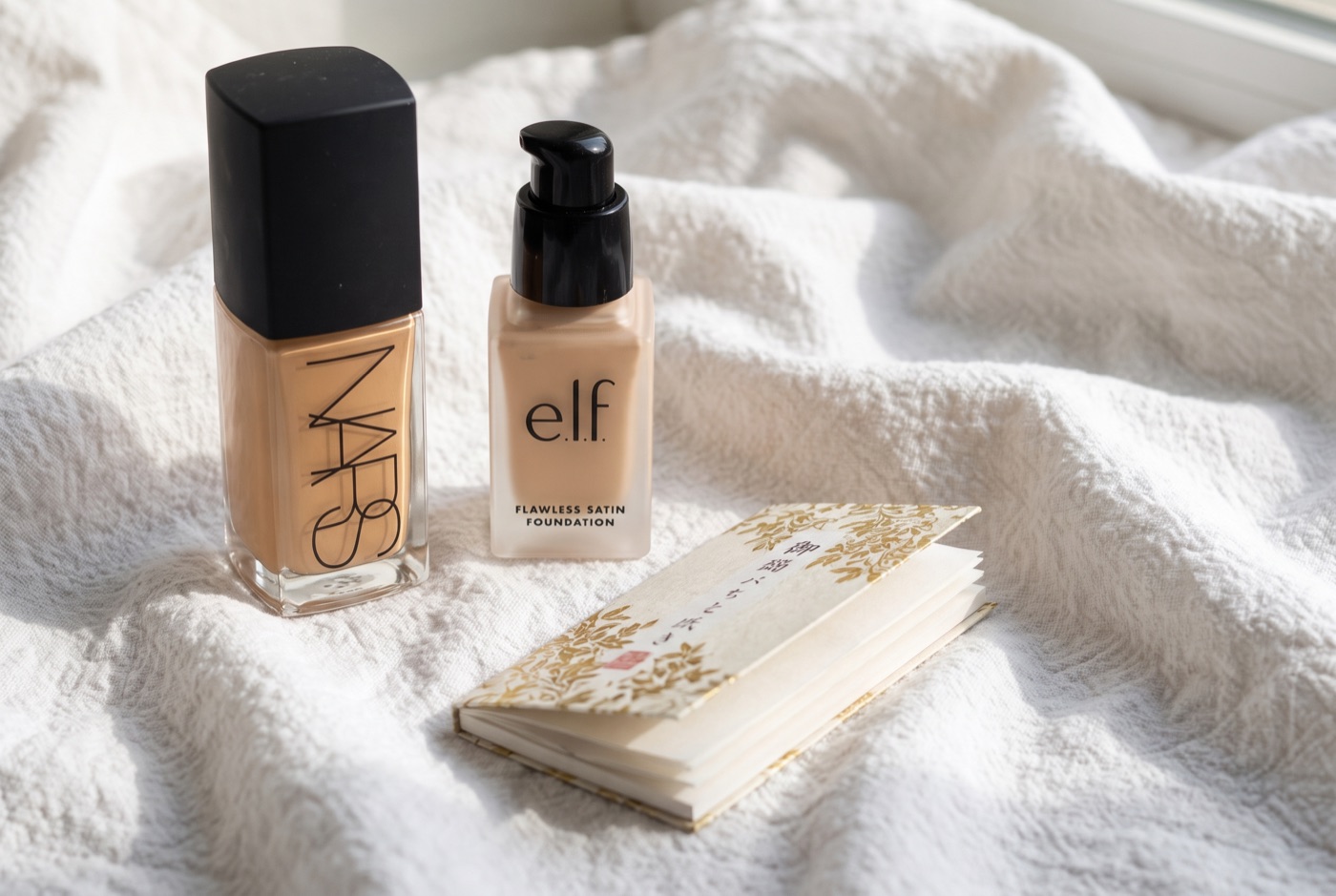
NARS Light Reflecting Foundation, around $52. A medium-coverage base that stays remarkably close to its bottle color through a long day, which is why it ends up on a lot of my wedding clients. The shade range is wide enough to mix within easily.
e.l.f. Flawless Satin Foundation, about $8. The cheap answer, and a very good one for testing the ten-minute idea without risk. Light, easy to sheer out, and easy to adjust with a drop of something lighter if it pulls warm on you.
Tatcha Aburatorigami Japanese Blotting Papers, roughly $14 for a pack that lasts months, or any plain drugstore blotting sheets for a few dollars. This is the real midday fix, whatever foundation you wear.
When it still turns orange
If you have done the ten-minute test, picked the shade that matches after the shift, and it still looks too warm by evening, look at what is underneath it. A tinted sunscreen or a tinted primer under the base adds its own color, and that color shifts too. Try a day with plain, untinted skincare under the same foundation before you blame the bottle.
If the shift is wildly bigger on one part of the face, usually the center, that is oil, not the formula. Blotting at midday will do more than any new product.
And if you would rather not run experiments on yourself, bring your bottles to a one-to-one lesson and we will do the jaw test together by the window. Or send me a message with a daylight photo at zero and at ten minutes. I can usually tell you which way to go from those two pictures alone.
Or let me do it
Reading about it is
slower than a lesson.
Two hours at your table, with your own products, and you hold the brush. $350 — and you keep the notes.
Keep reading
More from the journal
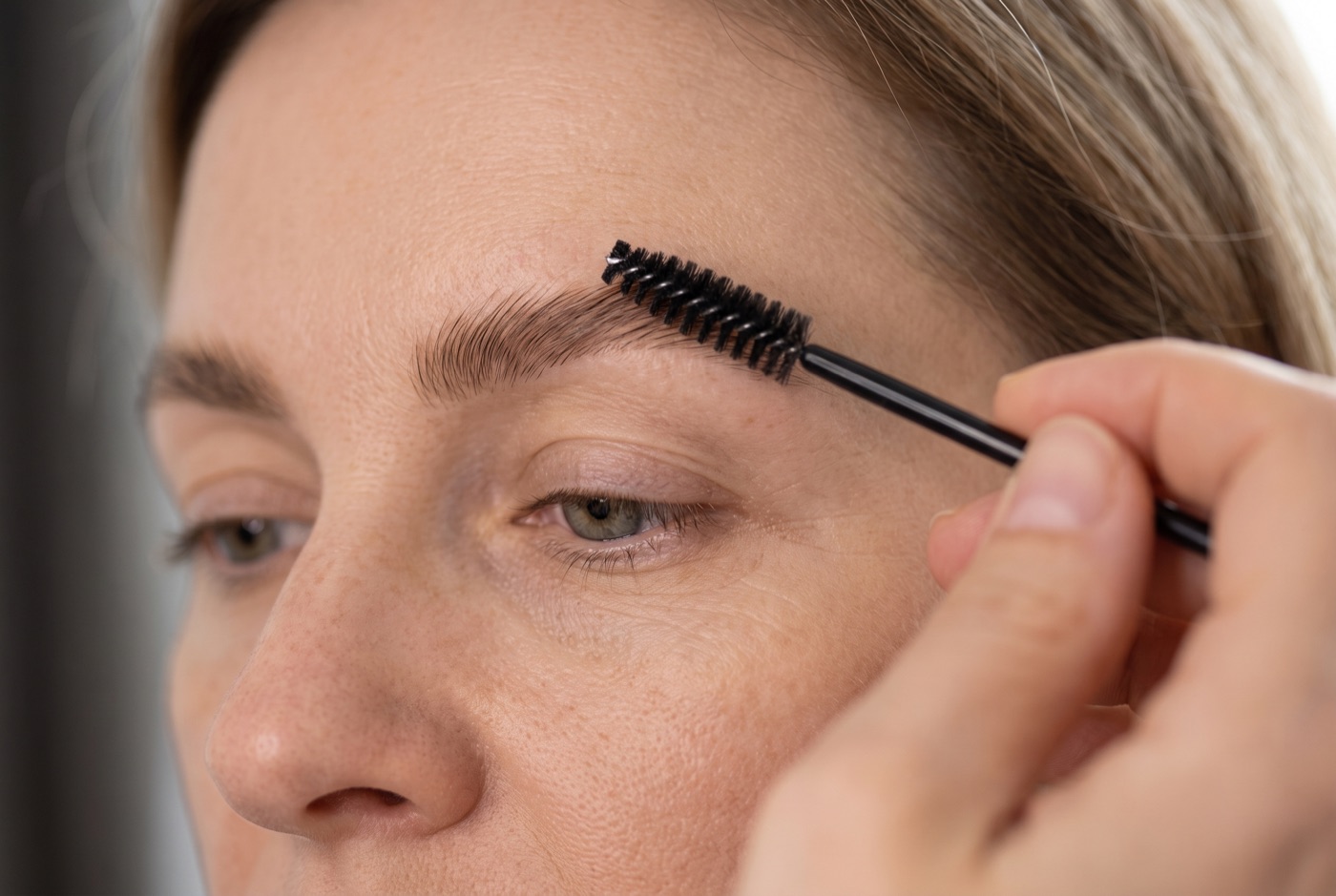
Most brows only need brushing
Before you fill anything, brush your brows up and set them. For most of the faces I see, that is the whole job, and it takes thirty seconds.

Cloud skin makeup: what it is and how to get it
Cloud skin is the soft-focus base replacing glass skin — velvety, not flat, not shiny. How I build it in five steps, and the two powders that do it best.
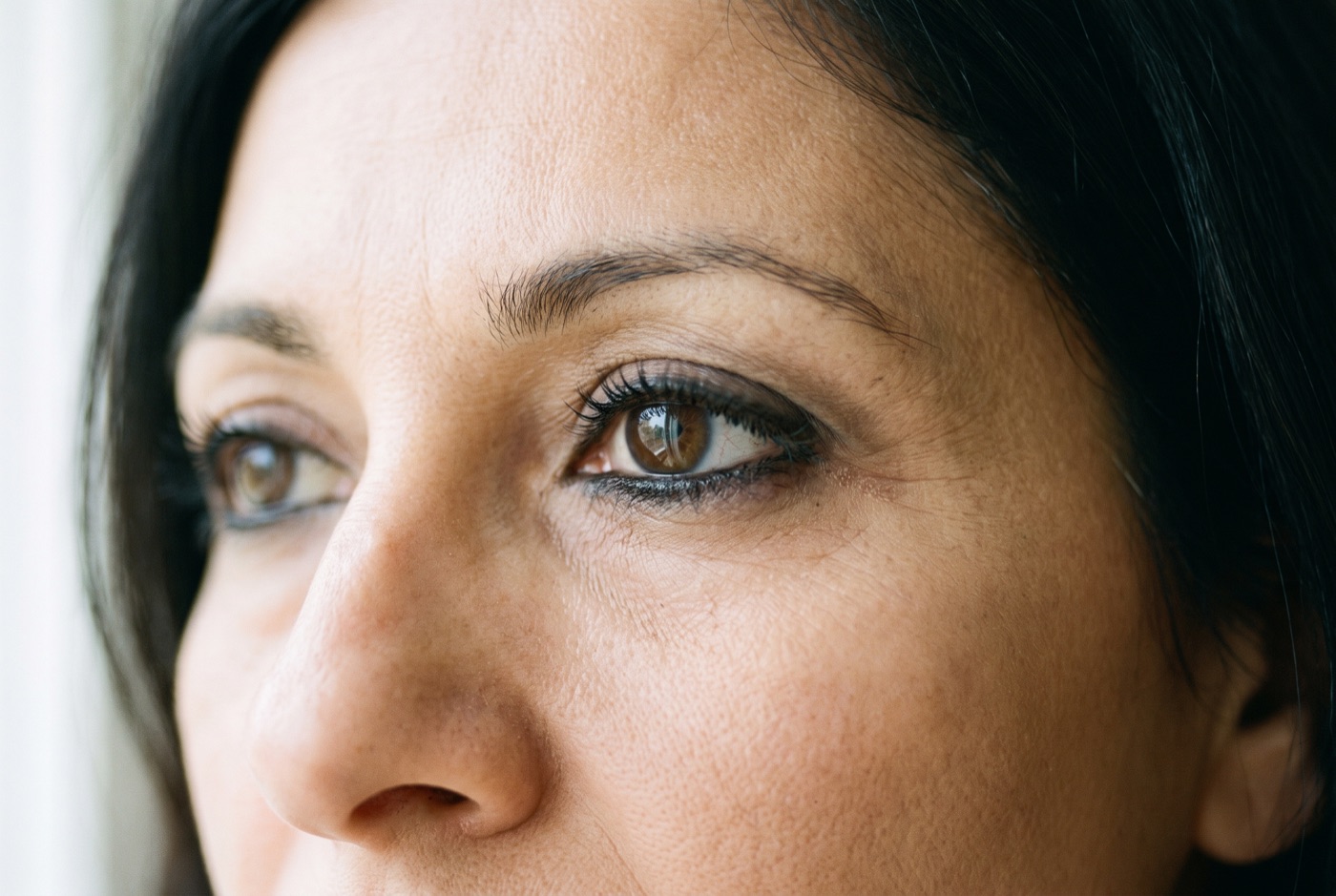
How to do smudged eyeliner (tired girl liner)
Smudged kohl liner is the biggest eye trend this fall. Here is how a makeup artist does it so it looks lived-in on purpose, not like last night's makeup.