Cloud skin makeup: what it is and how to get it
Cloud skin is the soft-focus base replacing glass skin — velvety, not flat, not shiny. How I build it in five steps, and the two powders that do it best.
 Danny Rose
Makeup artist · New York
Danny Rose
Makeup artist · New York

Short answer: cloud skin is a soft-focus, velvety makeup finish that sits between dewy and matte. You get it with well-hydrated skin, a thin base, cream blush, and a very fine powder pressed only where you shine — so the face diffuses light instead of bouncing it back or soaking it up.
For about three years, every second booking I took asked for glass skin. The photos clients send me this fall look different: skin that looks soft and expensive, like a photograph taken through a very slightly misty lens. That has a name now, and it is the most wearable base trend I have seen in a long time.
What is cloud skin?
It is a finish, not a product. Where glass skin is about shine and matte skin is about removing it, cloud skin is about diffusing it. The high points of the face — cheekbones, brow bone, the bridge of the nose — keep a soft satin glow. The centre of the face, where oil and pores live, is blurred. Nothing looks wet, nothing looks flat.
The fall 2026 runways leaned hard into it: after seasons of glassy, precision skin, the brief moved toward soft-focus complexions with real texture left visible. It also happens to be what professionals have quietly done for flash photography forever, because a diffused finish is the one that survives a camera flash without either glaring or going grey.
How is cloud skin different from glass skin and matte skin?
| Glass skin | Matte skin | Cloud skin | |
|---|---|---|---|
| Looks like | wet, high shine | flat, velvety-dry | diffused satin |
| Built with | layered hydration, glossy highlighter | mattifying primer, full powder | hydration, thin base, powder only where needed |
| Suits | dry skin, close-up photos | very oily skin, long days | almost everyone |
| Goes wrong when | oil and texture show by midday | the face ages and flattens | powder goes everywhere |
The practical difference: glass skin shows every pore by lunchtime, and matte skin takes ten years of life out of a face in photographs. Cloud skin is the middle, and the middle is where most faces look best.
How do you get cloud skin makeup, step by step?
Five steps. The first and the last matter most, and the whole thing takes about ten minutes.
Step 1: Hydrate, then wait three minutes
A light gel or water-based moisturizer, pressed in with flat fingertips rather than rubbed. Then actually wait. Powder over skin that is still slippery goes patchy; powder over skin that is dry clings to every flake. This is the same simple, barrier-friendly prep skincare has been moving toward all year — fewer products, properly absorbed.
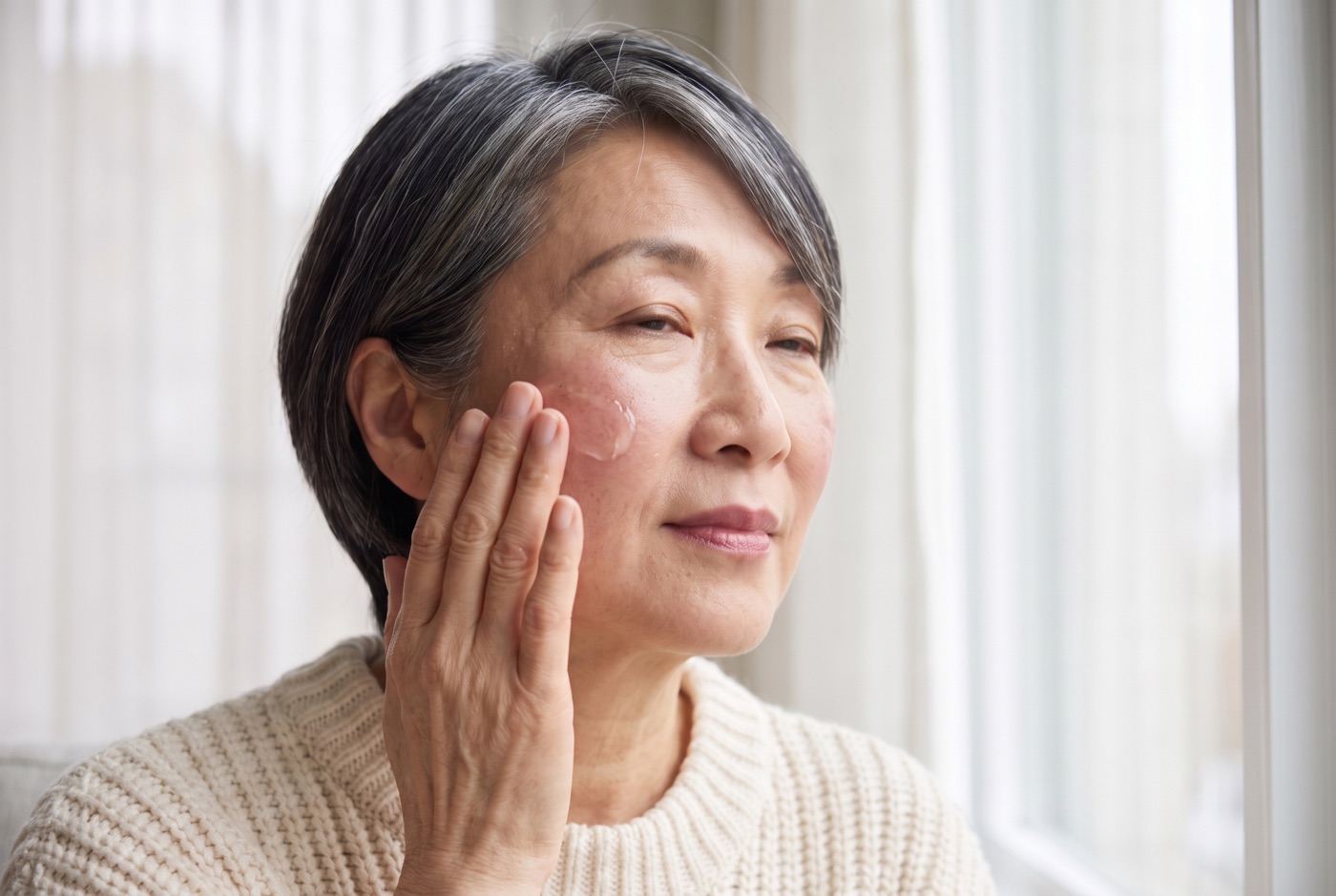
Step 2: Skip most of the primer
Unless you have large pores on the nose and cheeks, you do not need one — I made the whole case in do you need primer. If you do, a blurring primer only where the pores are, and nowhere else.
Step 3: Go thin on the base
A skin tint, or your usual foundation thinned with a drop of moisturizer, bounced on with a damp sponge. Build coverage only where you actually need it and let your real skin show through everywhere else. If the shade is slightly off, the soft finish will not hide it — mixing two shades will.
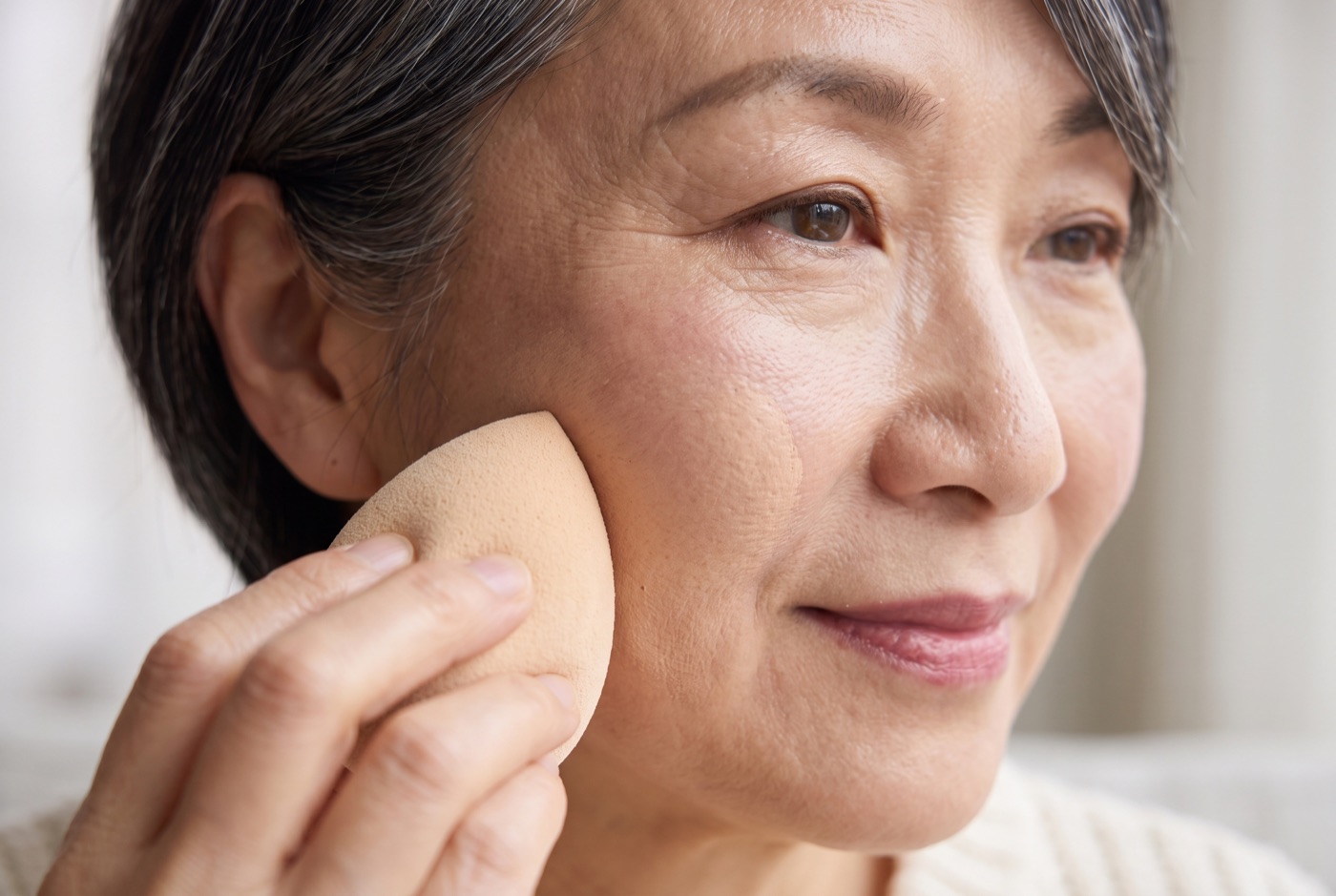
Step 4: Cream blush before powder, and high
Press a cream or balm blush onto the top of the cheekbone with two fingertips and blend up toward the temple. That gives the "flushed from the inside" part of the look. Placement matters more than shade — higher than you think. For fall, berry and cranberry tones suit this finish beautifully.
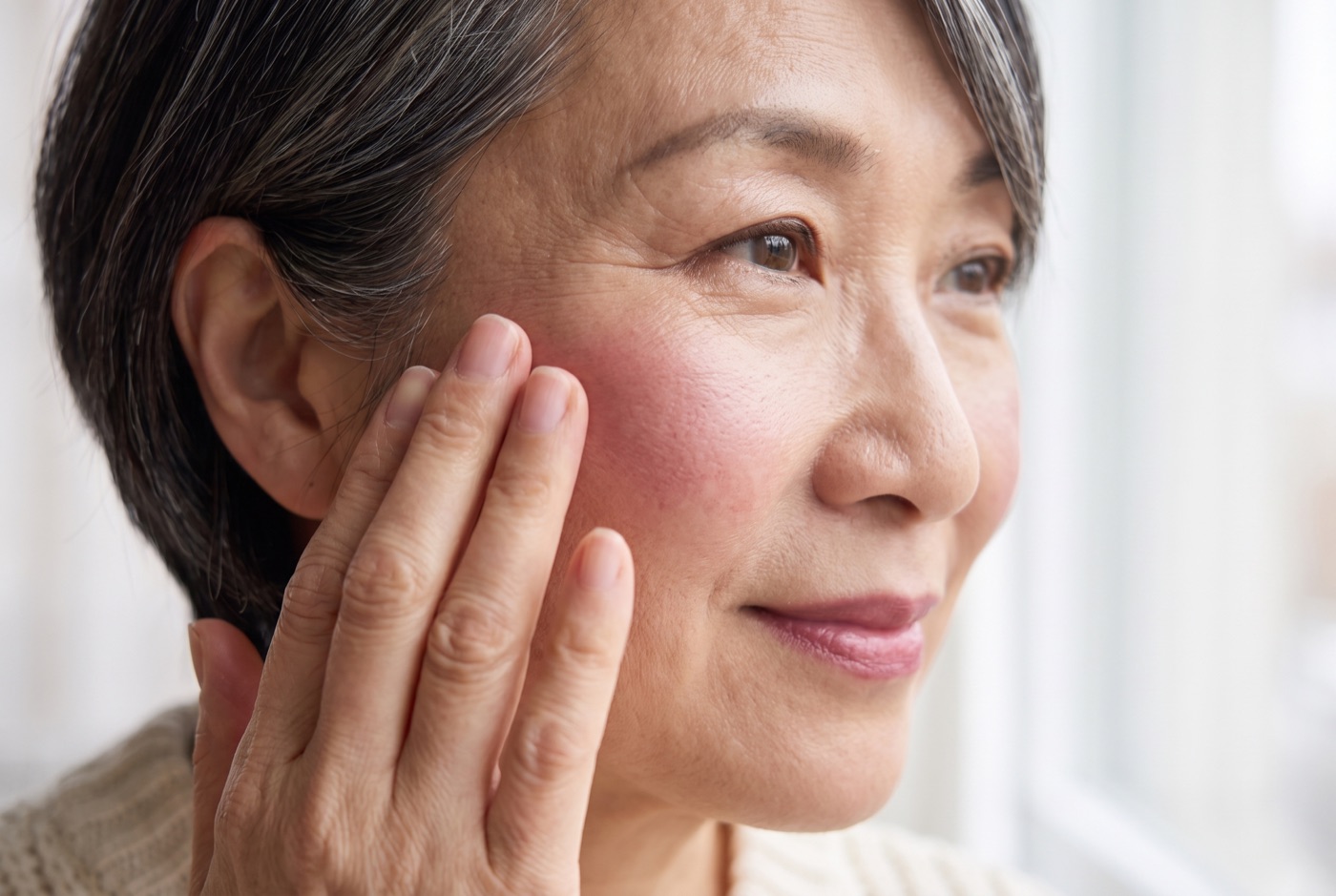
Step 5: Powder like you are rationing it
A very finely milled loose powder on a velour puff, tapped almost empty, pressed only on the centre of the face: the sides of the nose, between the brows, the chin. Then take a big fluffy brush with nothing on it and buff the edges so there is no line where the powder stops. The cheekbones stay unpowdered. That contrast is the whole look.
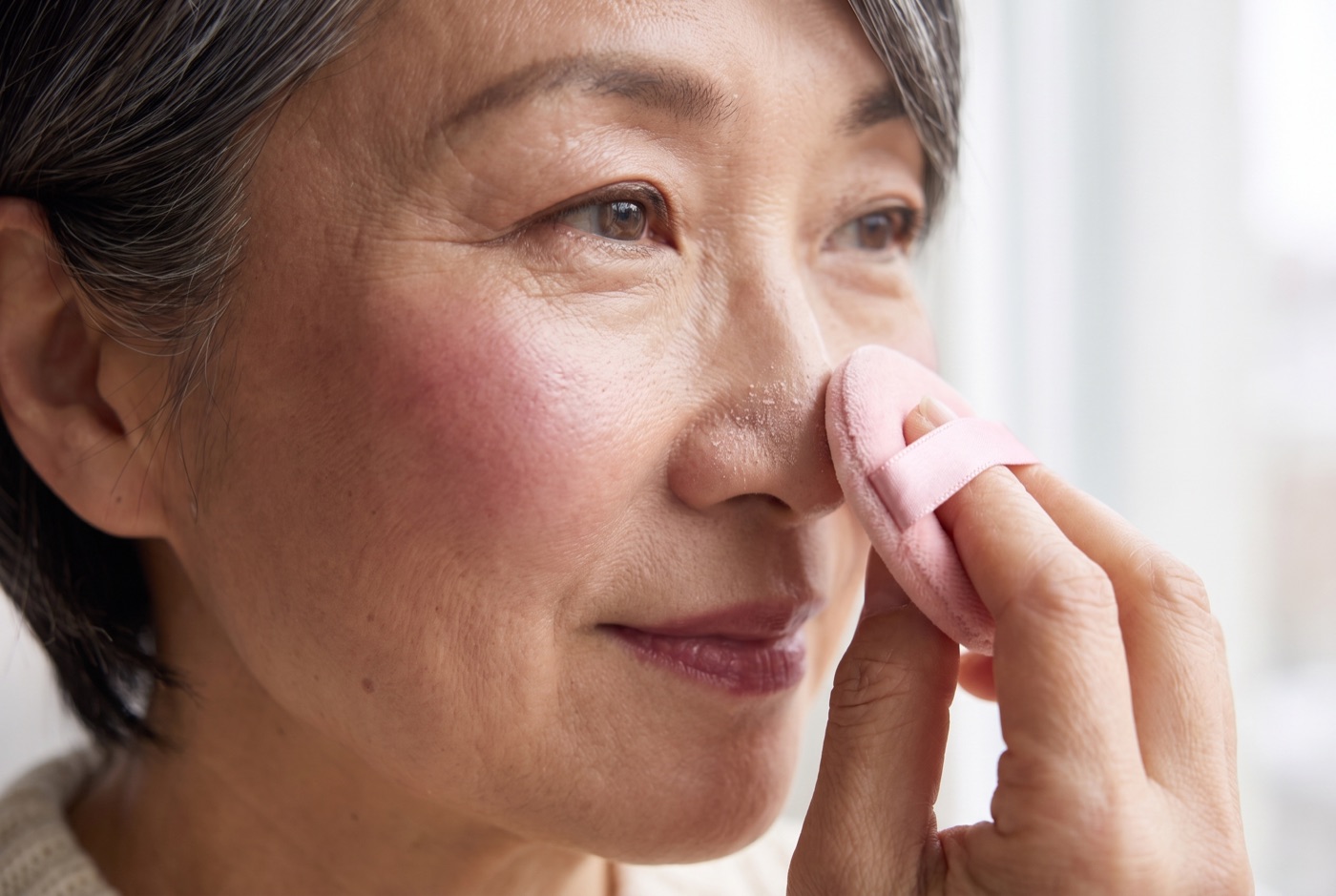
Glass skin bounces light. Matte skin swallows it. Cloud skin softens it — and that is the one a camera forgives.
What powder gives a cloud skin finish?
The powder decides whether this works, and it needs to be extremely fine and very sheer. I have already written about the Laura Mercier setting powder I have used for eleven years. These are the two I reach for specifically when a client asks for cloud skin.
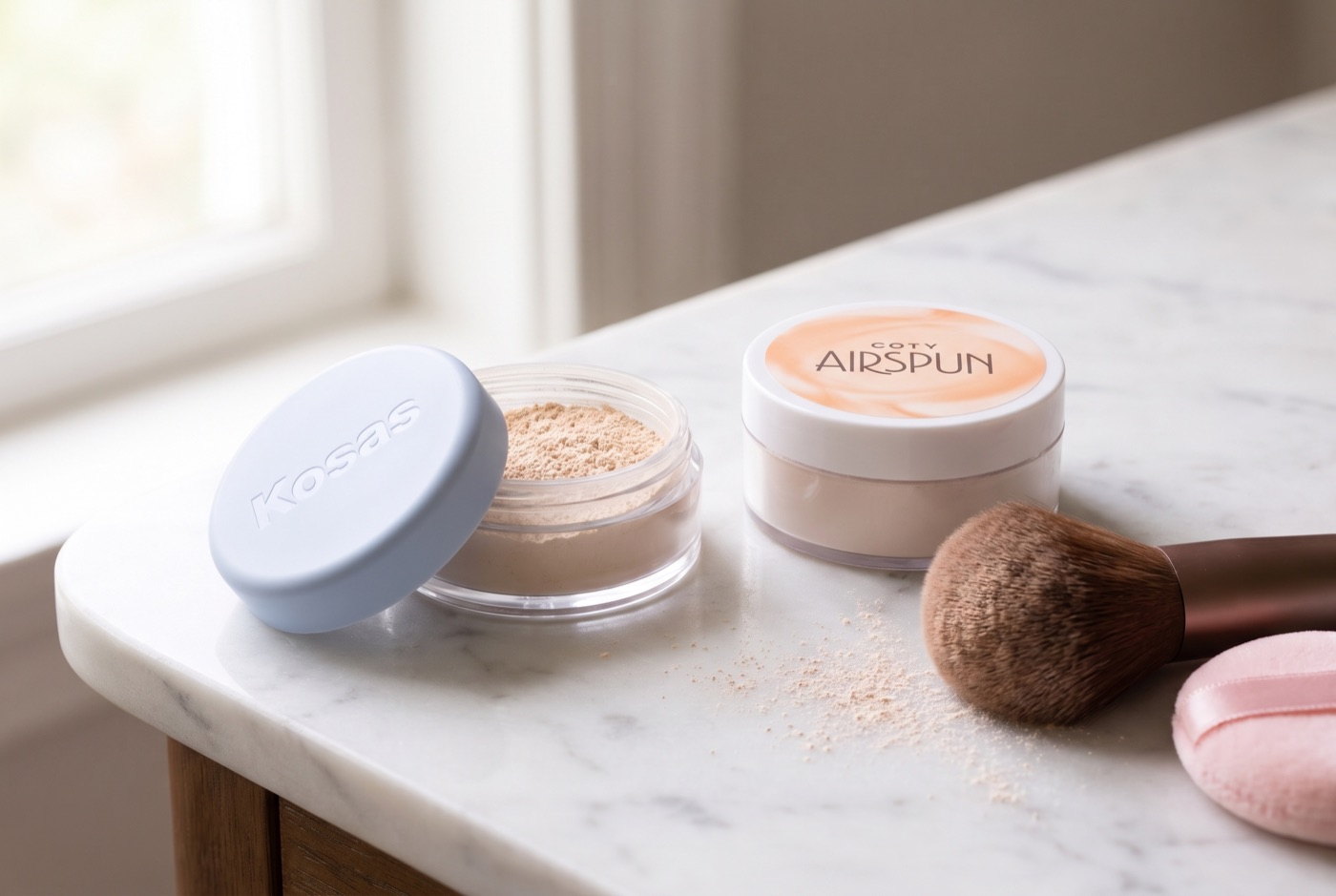
Kosas Cloud Set Loose Powder, $38. It is literally named for the job, and it earns it. The texture is airy and very finely milled, so it blurs the centre of the face without the dry, papery finish some setting powders leave. It is the one I use on clients with dry or mature skin, because it softens without clinging.
Coty Airspun Loose Face Powder, about $8. The drugstore tub that has been around for decades and got a second life online, and deservedly. It gives a genuinely soft-focus blur and a touch more coverage than most loose powders, which makes it excellent on oily skin and for evening. Use a lighter hand than you think, and choose the translucent shade.
Does cloud skin work on dry or mature skin?
It is arguably the best finish for mature skin, because it softens texture without emphasizing it. Adjust three things:
- More hydration, longer wait. Give the moisturizer five minutes rather than three.
- Powder even less. Often only the sides of the nose. Leave the under-eye and the cheeks bare.
- Creams over powders everywhere else. Cream blush, cream highlighter if you use one — and no glitter; it sits in texture.
If your skin is flaking or reacting no matter what moisturizer you use, that is a question for a dermatologist, not a makeup one. I can make skin look soft for a day. I cannot tell you why it is not.
My pro tips for cloud skin
- Tap the puff twice on the back of your hand before it touches your face. What stays on your hand is the excess that would have looked cakey.
- Check it with your phone flash. A mirror hides powder; flash shows exactly where there is too much.
- Blot before you touch up. At midday, press a blotting paper first, then add the tiniest press of powder. Powder over oil is how cloud skin turns into mud.
- Keep any highlighter cream and shimmer-free. The glow should look like skin, not like a product.
- Finish with one pass of facial mist from arm's length, pressed in with your palms. It melts the layers together.
Frequently asked
Is cloud skin the same as soft matte?
They are close cousins. Soft matte removes most of the shine across the whole face, while cloud skin keeps a soft satin glow on the high points — cheekbones, brow bone, the bridge of the nose — and only blurs the centre. Cloud skin looks more dimensional in photographs; soft matte lasts a little longer on very oily skin.
Do you need primer for cloud skin?
Usually not. Well-hydrated skin, given a few minutes to absorb moisturizer, is the best base for this finish. A blurring primer can help if you have large pores on the nose and cheeks, but apply it only there. A full face of primer tends to make the powder step patchy.
How do you stop cloud skin looking cakey?
Use less of everything. Thin the foundation, press products in with a damp sponge instead of sweeping, and powder only the centre of the face with a nearly empty puff. Buff away any edges with a clean fluffy brush. If it still looks heavy, a fine facial mist pressed in with your palms melts the layers together.
Can you get cloud skin with drugstore makeup?
Yes. A thin drugstore foundation or skin tint, a cream blush, and Coty Airspun loose powder will get you the full look for well under $30. The finish comes from the technique — hydration, a thin base, powder only where you shine — far more than from the price of the products.
If you would like to learn the powder step on your own face, where it is easiest to get right, that is a good hour in a one-to-one lesson. Bring the powder you already own. We will probably use half of it.
Or let me do it
Reading about it is
slower than a lesson.
Two hours at your table, with your own products, and you hold the brush. $350 — and you keep the notes.
Keep reading
More from the journal
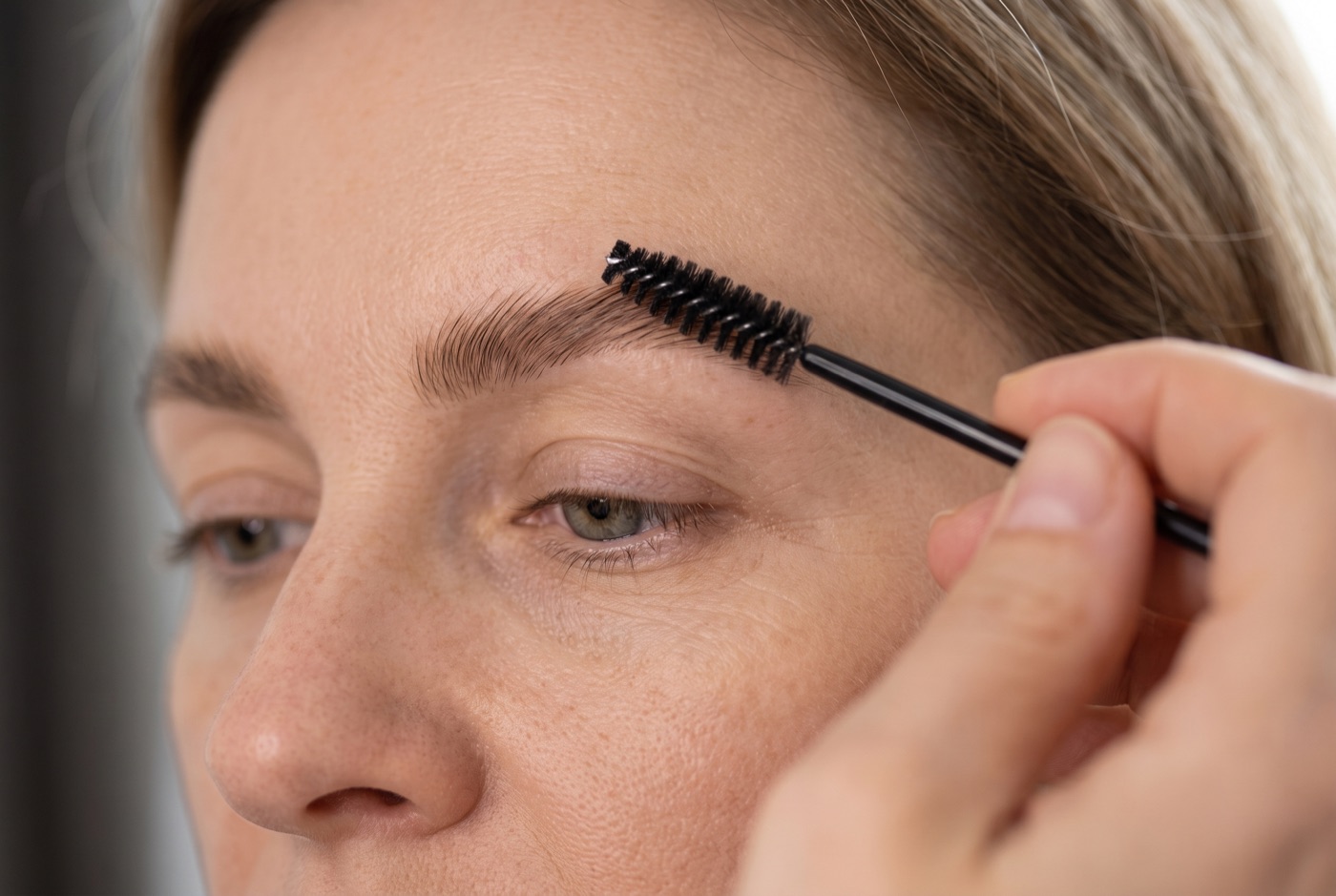
Most brows only need brushing
Before you fill anything, brush your brows up and set them. For most of the faces I see, that is the whole job, and it takes thirty seconds.
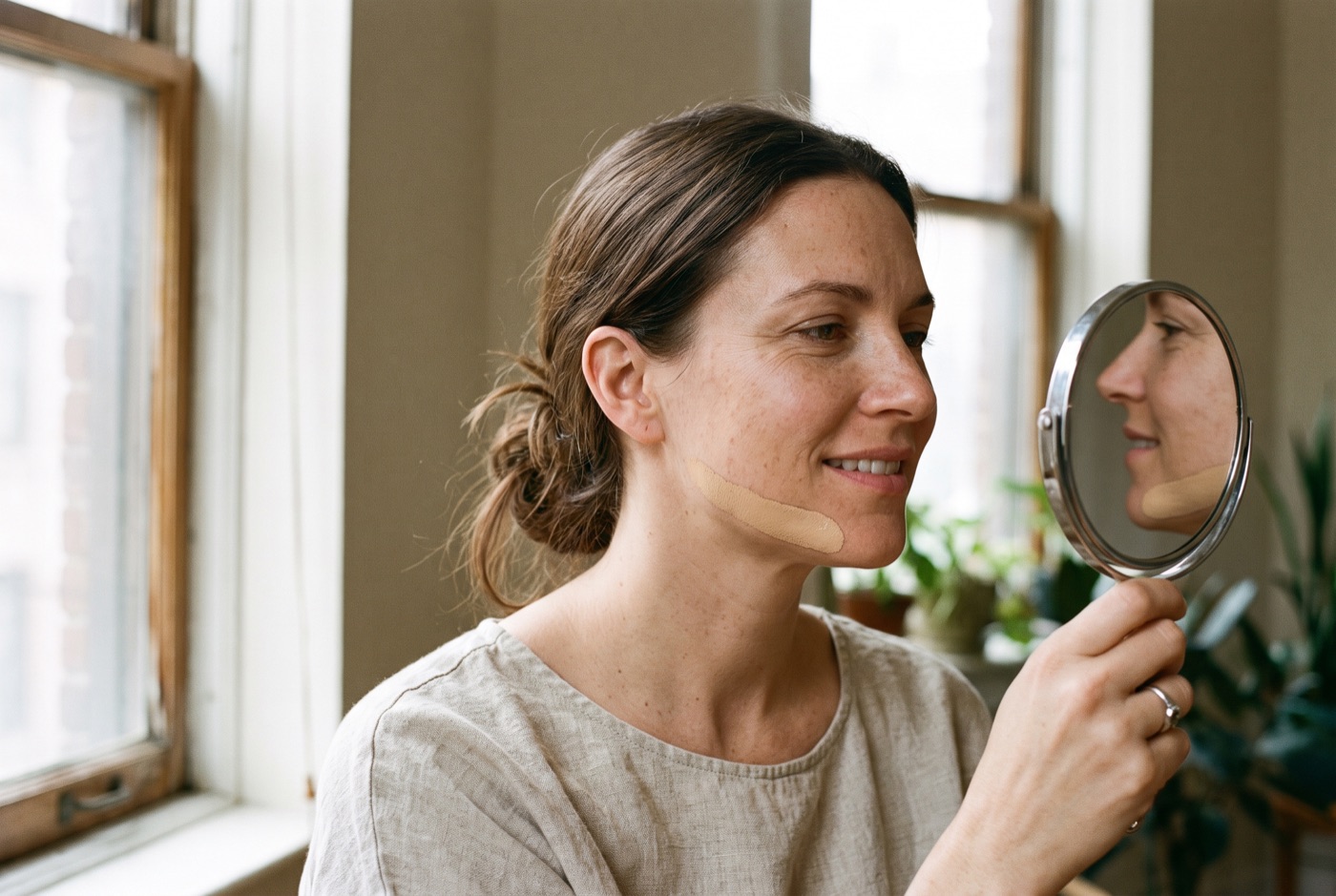
Why your foundation gets darker by lunchtime
Oxidation is real, it is predictable, and it is almost never fixed by buying a lighter shade of the same bottle.
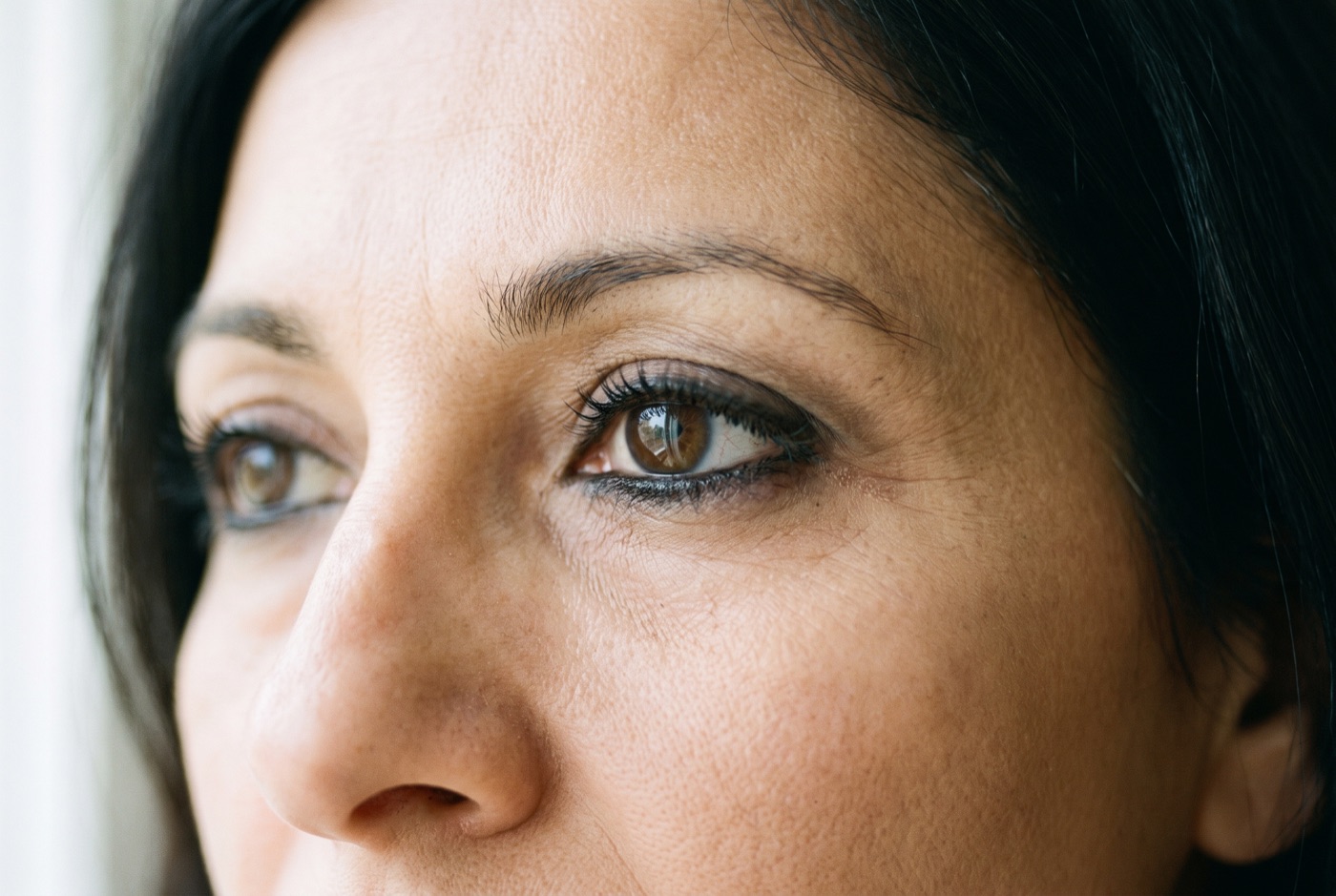
How to do smudged eyeliner (tired girl liner)
Smudged kohl liner is the biggest eye trend this fall. Here is how a makeup artist does it so it looks lived-in on purpose, not like last night's makeup.